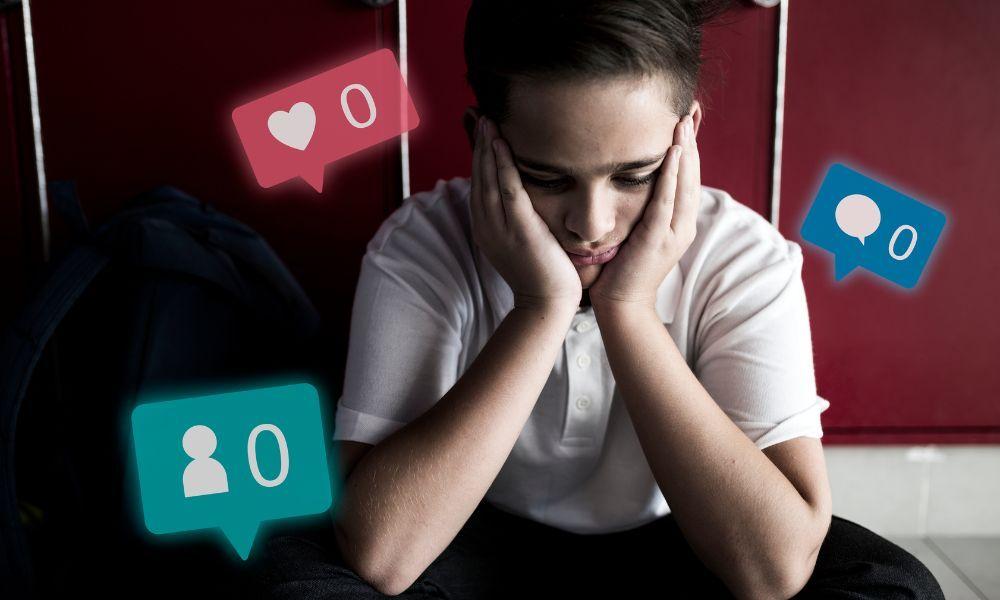
Social media burnout describes a state of mental and emotional fatigue linked to prolonged or excessive use of social platforms. What begins as routine scrolling, posting, or engagement can gradually turn into irritation, detachment, or exhaustion. Over time, the experience shifts from connection to obligation.
Unlike temporary tiredness, social media burnout often develops quietly. Notifications become intrusive rather than helpful. Content feels repetitive rather than engaging. The pressure to stay informed, visible, or responsive can begin to outweigh the benefits of participation.
This issue affects both individuals and professionals. Casual users may feel drained by constant comparison or information overload. Creators and marketers may experience pressure to maintain performance, respond quickly, and produce consistent content. In both cases, the result can be reduced focus, lower motivation, and a diminished sense of control over digital habits.
Understanding social media burnout is the first step toward addressing it. This guide explains what it is, why it happens, how to recognize it, and practical steps that can help restore balance and sustainable engagement.
What Is Social Media Burnout?
Social media burnout is a specific form of emotional and mental fatigue linked to prolonged or excessive use of social media platforms. It develops when continuous exposure to content, notifications, and online interaction begins to feel draining rather than engaging.
This type of burnout may include mental exhaustion, reduced motivation to post or interact, loss of interest in content that once felt enjoyable, or negative emotional reactions triggered by scrolling. For some, it appears as irritation or anxiety. For others, it shows up as indifference or avoidance.
Social media burnout is not limited to heavy users. It can affect creators, marketers, and everyday users alike. The common factor is sustained digital engagement without adequate boundaries or recovery.
How Burnout Differs From Normal Tiredness
Normal tiredness is usually temporary. After rest or a short break, energy and interest often return. Burnout, by contrast, is more persistent. It reflects ongoing emotional depletion rather than momentary fatigue.
Someone who is simply tired may still enjoy using social media once they feel rested. Someone experiencing burnout may feel resistance, frustration, or dread even when they are not physically exhausted.
The key difference lies in duration and emotional depth. Burnout builds gradually and affects motivation and mood over a longer period.
Digital Overload vs Burnout
Digital overload refers to the feeling of being overwhelmed by information. It can happen during busy news cycles, major events, or high-activity periods online. Overload is often situational and may resolve when the volume of information decreases.
Burnout goes deeper. It is not only about too much information, but about emotional strain tied to repeated exposure, comparison, pressure to respond, or expectations to perform.
Understanding this distinction helps clarify what the rest of this article addresses. Social media burnout is not simply about scrolling too much on a busy day. It is about sustained mental fatigue linked to patterns of ongoing digital engagement.
Common Causes of Social Media Burnout
Social media burnout rarely develops from a single event. It is usually the result of repeated patterns shaped by platform design and personal habits. Understanding these drivers helps clarify why fatigue builds over time.
1. Constant Connectivity and Algorithm Pressure
Most platforms are designed to encourage ongoing engagement. Notifications signal activity. Feeds update continuously. Algorithms prioritize fresh content and reward frequent interaction.
This structure promotes repeated checking. Users return to see what they missed. Creators feel pressure to remain visible. Marketers monitor performance metrics and audience reactions in real time.
Over time, constant connectivity reduces mental recovery. When there is no clear stopping point, engagement becomes habitual rather than intentional. This persistent exposure contributes to emotional exhaustion.
2. Comparison and Unrealistic Expectations
Social platforms often display curated highlights rather than everyday reality. Posts may emphasize achievement, appearance, or lifestyle success. While this content can be inspiring, it can also distort perception.
Repeated comparison to idealized representations can increase stress and reduce satisfaction. For creators, performance metrics such as likes, shares, and follower growth may reinforce competitive pressure.
When personal value becomes linked to online feedback, emotional strain intensifies. Over time, this comparison dynamic can contribute to burnout.
3. Noise and Negative Content Exposure
Social media is also a channel for news, debate, and commentary. Exposure to distressing information, polarized discussions, or ongoing controversy can heighten emotional fatigue.
Even when users do not actively seek negative content, algorithms may amplify high-engagement posts, which often include emotionally charged material. Continuous exposure to conflict or crisis narratives can create a sense of overwhelm.
This accumulation of emotional input contributes to mental strain beyond simple screen time.
4. Lack of Boundaries or Breaks
Without defined limits, social media use can expand into all parts of the day. Checking feeds during meals, before sleep, or between tasks reduces opportunities for mental rest.
A lack of boundaries makes it difficult to distinguish between purposeful use and habitual scrolling. Over time, this pattern diminishes focus and increases fatigue.
Regular breaks and defined usage periods help preserve energy. When boundaries are absent, exhaustion develops more quickly, and recovery becomes more difficult.
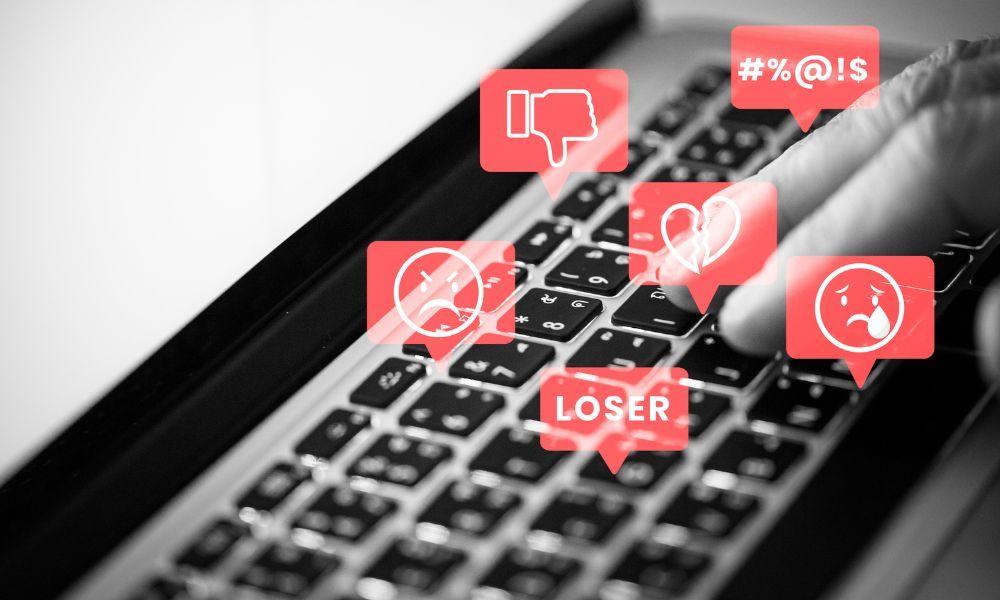
Signs and Symptoms of Social Media Burnout
Social media burnout often develops gradually. The shift may be subtle at first, but over time, patterns become more noticeable. Recognizing early signs makes it easier to intervene before fatigue becomes more disruptive.
Symptoms typically appear across emotional, behavioral, and physical dimensions.
1. Emotional and Cognitive Symptoms
Emotional changes are often the first indicators. Irritability after scrolling, anxiety related to notifications, or a sense of obligation to check updates may signal strain.
Loss of enjoyment is another common sign. Content that once felt interesting may begin to feel repetitive or draining. Some individuals experience dread before opening an app, particularly if social media is linked to work or public performance.
Cognitively, burnout may reduce concentration. It can become harder to focus on tasks without checking feeds. Decision-making fatigue may increase when faced with constant streams of content and input.
2. Behavioral Patterns
Burnout can also shape habits. Compulsive checking becomes more frequent, even when there is no clear reason to open an app. This behavior may occur during work, meals, or before sleep.
Procrastination is another indicator. Time intended for tasks or responsibilities may be replaced by passive scrolling. In some cases, the opposite occurs: users avoid social media entirely because it feels overwhelming.
Both excessive engagement and avoidance can reflect imbalance.
3. Physical and Lifestyle Indicators
Physical symptoms are often linked to prolonged screen exposure. Headaches, eye strain, and disrupted sleep patterns are common when usage extends into late hours.
Lifestyle changes may follow. Reduced physical activity, less time spent on offline hobbies, or decreased face-to-face interaction can signal that social media use is crowding out other priorities.
While these signs vary in intensity, their presence over time suggests the need for reassessment and adjustment. Recognizing patterns early allows for healthier boundaries and more sustainable engagement.
The Impact of Social Media Burnout
Social media burnout does not remain confined to the screen. Over time, its effects extend into daily routines, work performance, and personal relationships. What begins as digital fatigue can influence broader well-being and behavior.
Understanding these impacts clarifies why early awareness and adjustment are important.
On Mental Well-Being
Sustained overuse can increase stress and anxiety. Constant exposure to updates, opinions, and performance metrics keeps the mind in a reactive state. This continuous stimulation reduces opportunities for mental rest.
Lowered satisfaction may follow. Comparison, information overload, and pressure to remain visible can gradually affect self-perception. For some, the experience shifts from curiosity and connection to obligation and tension.
Mental fatigue is another consequence. Decision-making becomes more difficult when attention is divided across multiple streams of content. Over time, emotional resilience may decrease.
On Productivity and Focus
Burnout also affects work and creative output. When attention is fragmented by frequent checking, deep focus becomes harder to maintain. Tasks may take longer to complete, and concentration may decline.
Creative energy can diminish. For content creators and marketers in particular, the expectation to produce regularly can feel burdensome when mental reserves are low. Ideas that once came naturally may require greater effort.
Delayed goals and unfinished projects often follow sustained distraction. Productivity suffers not only from time spent online but from reduced clarity and motivation.
On Relationships and Social Life
Excessive online engagement can reduce the quality of offline interaction. Time that could be spent in conversation or shared activities may be replaced by passive scrolling.
Even when physically present, divided attention can weaken the connection. Constant notification checking interrupts conversations and limits meaningful engagement.
Over time, this pattern can affect both personal relationships and professional collaboration. Social media burnout is therefore not only an individual experience. It has relational consequences that extend beyond digital spaces.

How to Manage and Prevent Social Media Burnout
Managing social media burnout does not require abandoning digital platforms entirely. In most cases, sustainable use depends on structure, awareness, and intentional boundaries. Small adjustments in daily habits can reduce fatigue and restore balance.
The following strategies focus on practical actions rather than drastic change.
1) Set Usage Boundaries and Limits
Clear limits help prevent continuous engagement. Defining specific times to check apps reduces habitual scrolling. For example, allocating short, scheduled intervals during the day creates structure and limits distraction.
Muting non-essential notifications also reduces reactive behavior. When alerts are limited to necessary communication, attention becomes easier to manage.
Designating offline hours, particularly before sleep, allows mental recovery. Consistent breaks from digital input support focus and emotional balance.
2) Curate a Healthier Feed
Not all content contributes equally to well-being. Reviewing followed accounts and removing or muting sources that trigger stress can significantly reduce strain.
Prioritizing informative, constructive, or uplifting content helps shift the tone of daily exposure. Most platforms allow customization of feeds and preferences. Using these features deliberately supports healthier engagement.
A curated environment reduces unnecessary noise and emotional overload.
3) Take Regular Breaks or Digital Detoxes
Periodic breaks from social media provide reset points. These breaks may range from a few hours to several days, depending on individual needs.
A structured pause interrupts automatic habits and allows reflection on usage patterns. Even short, screen-free periods during the day can improve focus and reduce fatigue.
Breaks are not a sign of failure. They are part of sustainable digital use.
4) Focus on Real-Life Connections
Investing time in face-to-face interaction strengthens balance. Conversations, shared activities, and hobbies outside digital platforms provide mental contrast and emotional grounding.
Offline engagement helps reduce dependency on online validation and constant updates. Over time, this shift supports a healthier relationship with technology.
Social media can complement real life, but it should not replace it.
5) Mindfulness and Self-Reflection
Self-awareness plays an important role in prevention. Checking how you feel before and after using social media provides useful feedback.
If scrolling consistently increases stress or irritability, adjustments may be needed. If certain content types trigger comparison or frustration, reducing exposure can improve overall experience.
Regular reflection encourages intentional use rather than automatic behavior. When habits align with well-being rather than impulse, the risk of burnout decreases.
When to Seek Support
Social media burnout is often manageable through boundaries and habit changes. However, in some cases it overlaps with broader stress, anxiety, or mood concerns. When emotional strain extends beyond digital use, additional support may be helpful.
If feelings of exhaustion, irritability, or detachment persist even after reducing screen time, the issue may not be limited to social media alone. Ongoing sleep disruption, loss of motivation across multiple areas of life, or heightened anxiety may indicate a deeper pattern that deserves attention.
Speaking with a trusted friend or family member can provide perspective. Open conversation often helps clarify whether digital habits are the main source of strain or part of a wider challenge.
If symptoms feel severe, persistent, or difficult to manage independently, consulting a qualified mental health professional is advisable. Professional guidance offers structured support and tailored strategies that go beyond simple lifestyle adjustments.
Recognizing when to seek help is not a sign of weakness. It reflects awareness and a commitment to maintaining long-term well-being.

Frequently Asked Questions About Social Media Burnout
Is social media burnout real?
Yes. Social media burnout is a recognized pattern of emotional and mental fatigue linked to prolonged digital engagement. While it may not always be formally diagnosed, many people report consistent symptoms such as exhaustion, irritability, and loss of interest tied specifically to social platform use.
How long does social media burnout last?
The duration varies. Mild burnout may improve within days or weeks after setting boundaries and reducing usage. More persistent fatigue may require deeper habit changes or professional support, especially if it overlaps with broader stress or anxiety.
Can taking a break from social media help?
Yes. Short breaks or structured time away from platforms often reduce mental strain and improve clarity. Even temporary disconnection can interrupt compulsive patterns and restore perspective.
Should I quit social media entirely?
Not necessarily. Many people benefit from moderated and intentional use rather than complete withdrawal. The goal is balanced engagement that supports communication and information without creating emotional strain.
Is social media burnout more common among creators and marketers?
Creators and marketing professionals may face additional pressure due to performance expectations, constant monitoring, and audience interaction. However, everyday users can experience burnout as well, particularly when exposure is frequent and unstructured.
Rebuilding a Sustainable Relationship With Social Media
Social media burnout develops gradually. It is rarely the result of one platform or one moment of overuse. Instead, it reflects sustained patterns of engagement without sufficient boundaries, recovery, or reflection.
Recognizing the signs is the first step. Emotional fatigue, reduced motivation, and compulsive checking signal imbalance. Understanding the causes, from constant connectivity to comparison and negative content exposure, provides clarity about what needs adjustment.
Prevention does not require complete disconnection. In most cases, structured habits are enough. Clear usage limits, intentional feed curation, regular breaks, and attention to real-life relationships restore perspective. Mindful engagement shifts social media from a source of strain to a tool used with purpose.
Digital platforms are designed to capture attention. Maintaining well-being requires deliberate control over how and when they are used. When boundaries are respected and usage aligns with personal values, social media can remain constructive rather than exhausting.
For creators and marketing teams who feel pressure from constant outreach and manual coordination, structured tools can also reduce workload. Using an organized influencer discovery tool helps streamline research and selection, while working through a structured influencer marketplace can centralize communication and collaboration in one place. Clear systems often reduce the reactive patterns that contribute to digital fatigue.
Sustainable engagement is not about elimination. It is about balance.