
Family influencers are social media creators who share content centered on parenting, home life, relationships, and everyday routines. Their posts often feature children, partners, and extended family members, offering audiences a structured view into daily experiences. Over time, many of these creators have built loyal communities that follow not only for entertainment, but also for advice and product recommendations.
This niche has grown steadily across platforms such as YouTube, Instagram, and TikTok. What began as personal storytelling has, in many cases, developed into full-scale content businesses. As audiences expanded, brands began to recognize the influence these creators hold in household purchasing decisions.
Below is a curated list of 15 popular family influencers from different regions, followed by a closer look at why this category matters for brands and how collaborations in this space are typically structured.
15 Popular Family Influencers
The following list includes family influencers from the United States, the United Kingdom, Australia, Canada, and Ireland. Each has built a substantial audience through consistent storytelling around parenting, travel, home life, or daily routines. Follower counts are approximate and reflect combined presence across major platforms.
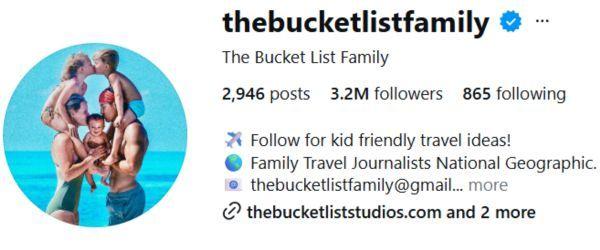
1. The Bucket List Family
Platform: Instagram, YouTube
Location: United States
Approximate following: 3M+ on Instagram, 1.5M+ on YouTube
Content focus: Family travel, adventure, lifestyle
The Bucket List Family documents global travel experiences with their children, often focusing on educational and cultural activities. Their content is highly visual and structured around curated travel storytelling. They are influential because they blend aspirational travel with family-centered themes, making them attractive partners for tourism boards, travel brands, and lifestyle companies.
2. The LaBrant Fam
Platform: YouTube, Instagram
Location: United States
Approximate following: 6M+ on Instagram, 12.5M+ on YouTube
Content focus: Parenting, daily family life, milestone events
The LaBrant Fam shares content centered on parenting, relationships, and major life updates. Their videos often focus on family routines, celebrations, and life transitions. They are influential due to their scale and the loyalty of their audience, particularly among young parents.

3. SacconeJolys
Platform: YouTube, Instagram
Location: Ireland / United Kingdom
Approximate following: 1.5M+ on YouTube
Content focus: Daily vlogs, parenting, home life
SacconeJolys are known for documenting everyday family routines over many years. Their long-form video approach built familiarity and continuity with viewers. Their influence comes from longevity and consistent audience engagement.

4. Familia Diamond
Platform: YouTube, Instagram
Location: United States
Approximate following: 1.5M+ on Instagram, 11.8M+ on YouTube
Content focus: Family challenges, lifestyle content
Familia Diamond produces high-energy, family-centered videos that often include challenges and collaborative content among family members. They appeal to a broad, multilingual audience and are influential within both English and Spanish-speaking communities.

5. The Ingham Family
Platform: YouTube
Location: United Kingdom
Approximate following: 1.3M+ on YouTube
Content focus: Travel, homeschooling, daily family life
The Ingham Family creates long-form video content documenting travel and home-based routines. Their influence stems from consistent video uploads and a dedicated subscriber base in the UK family niche.

6. ItsJudysLife
Platform: YouTube
Location: United States
Approximate following: 1.8M+ on YouTube
Content focus: Parenting, home routines, lifestyle
ItsJudysLife centers on daily life with multiple children, focusing on routines, organization, and relatable parenting moments. Their content appeals to parents seeking practical and familiar storytelling.

7. Daily Bumps
Platform: YouTube
Location: United States
Approximate following: 5M+ on YouTube
Content focus: Parenting milestones, daily vlogs
Daily Bumps began as a pregnancy and early parenting vlog and expanded into broader family documentation. Their influence comes from long-term audience growth and consistent documentation of family milestones.

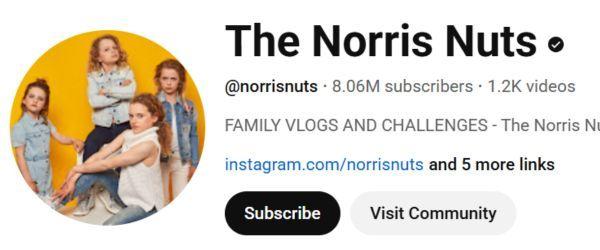
8. The Norris Nuts
Platform: YouTube, TikTok
Location: Australia
Approximate following: 8M+ on YouTube
Content focus: Family challenges, sibling dynamics
The Norris Nuts produce high-energy content featuring siblings and family activities. Their content is widely shared among younger audiences and families, making them one of Australia’s most recognizable family creator groups.
9. The McClure Twins
Platform: YouTube, Instagram
Location: United States
Approximate following: 2.5M on Instagram, 4.7M+ on YouTube
Content focus: Parenting, twin life, family storytelling
The McClure Twins began with viral videos featuring young siblings and expanded into broader family content. Their storytelling often includes themes of identity, parenting, and social awareness, contributing to their influence.

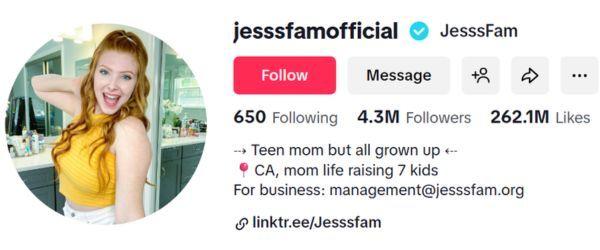
10. JesssFam
Platform: YouTube, Instagram, TikTok
Location: United States
Approximate following: 4.3M on TikTok, 2.3M+ on YouTube
Content focus: Large family life, parenting routines
JesssFam documents life in a large blended family, focusing on parenting logistics, routines, and milestones. Her audience engagement remains strong due to long-term consistency and relatability.
11. Life With Beans
Platform: YouTube, Instagram
Location: United Kingdom
Approximate following: 457K+ on Instagram, 275K+ on YouTube
Content focus: Large family life, budgeting, routines
Life With Beans shares content centered on raising multiple children, home organization, and daily logistics. Their influence is concentrated within UK-based parenting audiences seeking practical insights.

12. Yasmyn Switzer
Platform: YouTube, Instagram, TikTok
Location: United States
Approximate following: 690K+ on TikTok, 890K+ on YouTube
Content focus: Young motherhood, parenting journey
Yasmyn Switzer began documenting teenage motherhood and evolved into broader family lifestyle content. Her influence comes from candid storytelling and connection with younger parents.

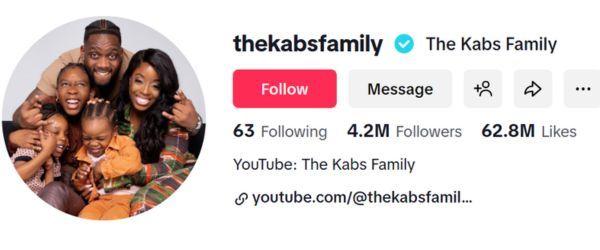
13. The Kabs Family
Platform: YouTube, TikTok, Instagram
Location: United Kingdom
Approximate following: 4.2M on TikTok, 1.3M+ on YouTube
Content focus: Family challenges, parenting humor
The Kabs Family produces structured, high-energy family challenge content. Their audience is drawn to interactive formats and recurring themes that feature both parents and children.
14. J House Vlogs
Platform: YouTube
Location: United States
Approximate following: 3.5M+ on YouTube
Content focus: Parenting, home routines, educational activities
J House Vlogs focuses on family-friendly content, homeschooling, and milestone events. Their steady content style has built a consistent and family-oriented audience.

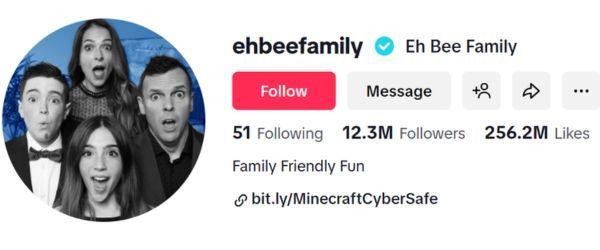
15. The Bee Family
Platform: YouTube, TikTok
Location: Canada
Approximate following: 12.3M+ on TikTok, 10M+ on YouTube
Content focus: Family comedy, sketches, relatable scenarios
The Bee Family creates scripted family comedy content that often reflects everyday household situations. Their format differs from traditional daily vlogging, which has broadened their appeal and contributed to their large international following.
What Makes Family Influencers Effective
Family influencers operate differently from many other creator categories. Their effectiveness does not rely solely on trends or short-term visibility. Instead, it is rooted in consistency, familiarity, and long-term audience relationships.
Unlike niche creators who focus on a single topic, family influencers present an ongoing narrative. Audiences follow not just for isolated posts, but for continuity. This sustained storytelling builds a level of trust that is difficult to replicate through one-off campaigns.
1) Long-Term Audience Trust
Family content is often shared over years rather than months. Viewers see children grow, routines change, and milestones unfold. This continuity creates familiarity, and familiarity strengthens trust.
Trust plays a central role in influence. When recommendations are integrated into established routines, they feel more natural than abrupt endorsements. Over time, this consistent exposure can shape purchasing decisions more effectively than short bursts of sponsored content.
2) Integration Into Daily Life
Family influencers frequently present products within everyday contexts. Household goods, food, clothing, travel services, and educational tools appear within existing routines rather than as standalone advertisements.
This format makes brand integrations less disruptive. Products are shown in use, within a setting that feels practical and relatable. For many brands, this contextual placement increases credibility and helps audiences understand how a product fits into real life.
3) Multi-Person Storytelling
Family content often features multiple individuals with different roles and perspectives. Parents, children, and sometimes extended family members all contribute to the narrative.
This dynamic broadens audience appeal. A single household may attract parents, young adults, and teenagers at the same time. It also creates varied content opportunities, from milestone celebrations to educational discussions and daily routines.
The combination of trust, context, and shared storytelling explains why family influencers remain a significant presence across major platforms.
Why Brands Work With Family Influencers
Family influencers are closely connected to everyday household decisions. Their content often reflects shopping habits, meal preparation, travel planning, and home organization. Because of this, they are positioned near the point where purchasing decisions are made. Brands often incorporate family creators into broader influencer marketing strategies that prioritize long-term audience relationships over short-term visibility.
For brands, this proximity to routine matters. Recommendations are not presented in isolation. They are shown within real contexts that audiences already trust and follow.
Influence on Household Purchasing
Many family influencers speak directly to parents and caregivers who manage household budgets. Their content frequently includes product comparisons, practical demonstrations, and long-term use cases. This type of exposure can influence categories such as food, clothing, educational tools, travel services, and home goods.
This purchasing influence is not always immediate. In many cases, it develops gradually through repeated exposure and familiarity. Brands that understand this dynamic tend to approach collaborations with realistic expectations and measurable goals, as outlined in our guide to influencer marketing effectiveness.
Product Integration Into Daily Routines
Family content often shows products as part of established routines. A kitchen appliance may appear during meal preparation. A clothing brand may be featured during back-to-school preparation. A travel service may be documented through an actual trip.
This contextual placement can feel more credible than standalone promotional posts. When done thoughtfully, integrations blend into the narrative without disrupting the audience experience. Clear planning and structured collaboration help maintain this balance, which is why many brands rely on formal influencer briefs when working with creators.
Long-Term Partnerships
Short campaigns can generate awareness, but long-term partnerships often build stronger credibility. Repeated collaboration reinforces familiarity and allows audiences to see a product used over time rather than introduced once.
For family influencers in particular, continuity is important. Audiences follow ongoing stories. Brands that align with those stories over multiple touchpoints tend to see more consistent engagement. Managing these partnerships carefully, through structured communication and clear expectations, supports both performance and brand safety.

How to Find the Right Family Influencers
Choosing the right family influencer requires more than selecting a large account. Audience alignment, content consistency, and brand safety are central factors in this category. Because family content often includes children and long-term storytelling, brands must evaluate fit carefully.
A structured selection process reduces risk and improves campaign performance. The process is similar to learning how to find influencers for your brand, but with added attention to family dynamics and audience values.
Define Audience and Value Alignment
The first step is understanding whether the influencer’s audience matches your target market. Age range, geographic location, household structure, and purchasing behavior all matter.
Beyond demographics, value alignment is equally important. Family influencers often build communities around shared beliefs, routines, and lifestyle preferences. A mismatch in tone or values can weaken campaign credibility.
Clear criteria at the beginning of the selection process prevent short-term decisions that may not support long-term brand positioning.
Evaluate Engagement and Content Consistency
Follower count alone rarely tells the full story. Engagement patterns, comment quality, and posting frequency provide better insight into audience loyalty.
Review recent content to assess tone, sponsorship frequency, and interaction style. Consistent storytelling and stable engagement often indicate a durable audience relationship. In contrast, irregular posting or heavy promotional saturation may signal reduced trust.
Brands should also examine how previous partnerships were integrated. Subtle placement within routine content often performs better than abrupt promotional shifts.
Use Structured Discovery and Research Tools
Manual research can be effective for small campaigns, but structured discovery tools simplify the evaluation process, especially when searching across multiple regions.
Platforms designed for influencer discovery allow brands to filter creators by niche, audience demographics, engagement rate, and performance history. This structured approach reduces guesswork and helps align influencer selection with campaign objectives.
For brands that prefer external support, working with an influencer marketing agency can provide additional oversight, campaign planning, and performance management. In both cases, clarity of goals and selection criteria remains the foundation of successful collaboration.
Ethical and Privacy Considerations
Family influencer content raises questions that extend beyond performance metrics. Because children are often part of the narrative, brands must consider privacy, consent, and long-term reputational impact when planning collaborations.
Responsible partnerships protect not only campaign outcomes but also the well-being of the individuals featured in the content.
Child Privacy and Consent
Children who appear in family content may not fully understand the long-term visibility of social media exposure. While parents or guardians manage accounts, brands share responsibility when participating in monetized collaborations.
It is important to assess how frequently children are featured, how personal information is presented, and whether boundaries are clearly defined. Content that respects privacy tends to build stronger long-term audience trust.
Transparency and Disclosure
Clear disclosure of sponsored content is both a legal and ethical requirement in many regions. Transparent labeling helps maintain audience trust and protects both the brand and the creator. Proper disclosure and documentation are part of broader influencer marketing compliance practices that protect both brands and creators.
Family audiences often respond negatively to unclear or misleading promotions. Direct, straightforward disclosure supports credibility and reduces reputational risk.
Long-Term Reputation Impact
Brand alignment in the family category should be evaluated carefully. Family influencers build communities around shared values, and audience reactions can be strong if a partnership feels inconsistent or inappropriate.
Before entering a collaboration, brands should review past content, public controversies, and long-term positioning. A careful review process supports sustainable partnerships and protects brand integrity.

To Wrap Up:
Family influencers occupy a distinct position within social media. Their content centers on routine, relationships, and long-term storytelling rather than short-term trends. This structure builds familiarity over time and creates an environment where recommendations can carry meaningful weight.
For brands, the appeal of this category lies in context and trust. Products are not introduced in isolation. They are shown within everyday life, often across repeated interactions. When partnerships are aligned with audience values and managed carefully, they can contribute to sustained engagement rather than temporary visibility.
At the same time, collaboration in this space requires responsibility. Privacy considerations, transparent communication, and consistent messaging are essential. Brands that approach family influencer marketing with clear objectives and careful selection processes are more likely to build partnerships that endure.
Family influencers remain a significant part of the creator economy. Success in this influencer niche depends less on scale alone and more on alignment, consistency, and thoughtful execution.