
Influencer marketing is often reduced to a simple idea: a brand pays a creator to post about a product. In practice, that view is incomplete. What looks like a single post is usually the visible end of a longer process that begins with planning and ends with measurement.
If you’re wondering how influencer marketing works as a system, you’re not alone. This article explores the reasoning behind it, the steps brands take to execute campaigns, and the methods used to evaluate results. The focus is not on trends or tactics, but on structure and intent.
By the end, you should understand both why influencer marketing works and how it functions in real campaigns, from early strategy decisions to performance review.

What Influencer Marketing Is (In Simple Terms)
Influencer marketing is a form of marketing where brands work with individuals who have built an audience around a specific topic, interest, or expertise. These individuals promote or feature products through their own content, using their voice and relationship with their audience rather than traditional advertising formats.
What makes influencer marketing different from classic advertising is where the message comes from. Instead of a brand speaking directly to the audience, the message is delivered by someone the audience already follows and trusts. The content appears in the same place and format as the creator’s regular posts, which makes it feel more natural and less intrusive.
This approach works because it relies on three things: trust, relevance, and connection. Trust comes from the relationship between the influencer and their audience. Relevance comes from aligning the product with the influencer’s niche. Connection comes from familiarity, repeated exposure, and shared interests. When these elements are present, recommendations carry more weight than standard ads.
Influencers vs. creators
The terms influencer and creator are often used interchangeably, but they are not identical.
An influencer is defined primarily by their ability to influence an audience. Their value comes from credibility, consistency, and the relationship they have built with their followers. A creator, on the other hand, is defined by the ability to produce content. Their strength lies in execution, storytelling, and production quality.
Many people are both. Some creators have strong content skills but limited influence. Some influencers have deep audience trust even if their content is simple. For most campaigns, brands benefit from working with partners who combine both qualities, but understanding the distinction helps clarify what role each partner plays in a campaign.
Why Influencer Marketing Works
Influencer marketing works because it is built on how people already discover, evaluate, and talk about products. Instead of interrupting attention, it fits into existing habits. When done well, it aligns with how audiences consume content rather than trying to redirect them.
1. Trust and social proof
People tend to trust individuals more than brands. Creators earn that trust over time by sharing opinions, experiences, and recommendations consistently. When an influencer speaks about a product, the message is filtered through an existing relationship rather than delivered as a standalone claim.
This creates social proof. Seeing someone you follow use a product signals that it has already been evaluated and accepted by someone whose judgment you value. That signal is often stronger than a direct advertisement, especially in categories where personal experience matters.
2. Audience relevance over mass reach
Influencer marketing prioritizes relevance instead of scale. A smaller audience that is closely aligned with a product’s purpose often produces better results than a large, unfocused reach.
Niche creators attract followers with shared interests, needs, or values. When a product fits naturally into that context, the recommendation feels appropriate rather than forced. This alignment reduces waste and increases the likelihood that attention turns into action.
3. Platform-native content
Influencer content is created for the platform it appears on. It follows the same visual style, pacing, and tone as surrounding posts. Because of this, it blends into feeds instead of standing out as an obvious promotion.
Platform-native content also respects how people use each channel. Short videos feel natural on TikTok. Visual storytelling works on Instagram. Longer explanations belong on YouTube. When content matches the environment, it is easier to engage with and less likely to be ignored.

How Influencer Marketing Works: Step by Step
Influencer marketing follows a clear sequence. When campaigns fail, it is usually because one of these steps is skipped or rushed. When they succeed, it is because each part of the process supports the next one.
Step 1: Brands define goals and success criteria
The process starts with clarity. Brands need to decide what they want influencer marketing to achieve before choosing partners or content formats.
Common goals include awareness, engagement, traffic, leads, or sales. Each goal implies a different approach and different expectations. Awareness focuses on reach and visibility. Engagement looks at interaction and conversation. Traffic and leads require clear calls to action. Sales depend on attribution and tracking.
Success criteria should be defined at this stage. Without them, it becomes difficult to evaluate results later.
Step 2: Brands identify the right audience and platforms
Influencer marketing works best when it targets behavior, not assumptions. Demographics such as age or location are useful, but they rarely explain why people follow creators or respond to recommendations.
Understanding how the audience behaves, what content they engage with, and where they spend time is more important. Platform choice follows naturally from this. Short-form video suits some audiences. Long-form explanations suit others. The platform should match how the audience consumes content, not where the brand prefers to publish.
Step 3: Influencers are selected and vetted
Once goals and audiences are clear, brands look for influencers whose content and audience align with both. Follower count is only one signal, and often not the most important one.
Engagement quality matters more than raw numbers. Comments, discussion, and consistent interaction indicate real attention. Audience relevance matters as well. Content style matters because it determines whether the promotion will feel natural or forced.
Vetting at this stage prevents problems later.
Step 4: Campaign scope and deliverables are defined
Before any content is created, expectations need to be clear. This includes what type of content will be produced, how many pieces, and when they will be published.
Deliverables can include posts, videos, stories, or longer formats. Usage rights should be agreed upon early, especially if the content will be reused. Timelines and review processes should be defined so both sides know what to expect.
A clear scope protects both the brand and the influencer.
Step 5: Content is created and published
Content creation is where influencer marketing becomes visible. Influencers produce content in their own voice, using formats their audience is familiar with.
Creative freedom is important, but it works best within clear boundaries. Brands set goals and guidelines. Influencers decide how to communicate the message. This balance helps maintain authenticity while ensuring the campaign stays aligned with its purpose.
Step 6: Performance is tracked and evaluated
After the content is published, the results need to be reviewed against the original goals. Metrics should match the intent of the campaign.
Awareness is measured differently from traffic or sales. Engagement is evaluated differently from conversions. Tracking methods should be defined in advance so results are interpretable.
Evaluation closes the loop. It turns influencer marketing from a one-time activity into a repeatable process that improves with each campaign.
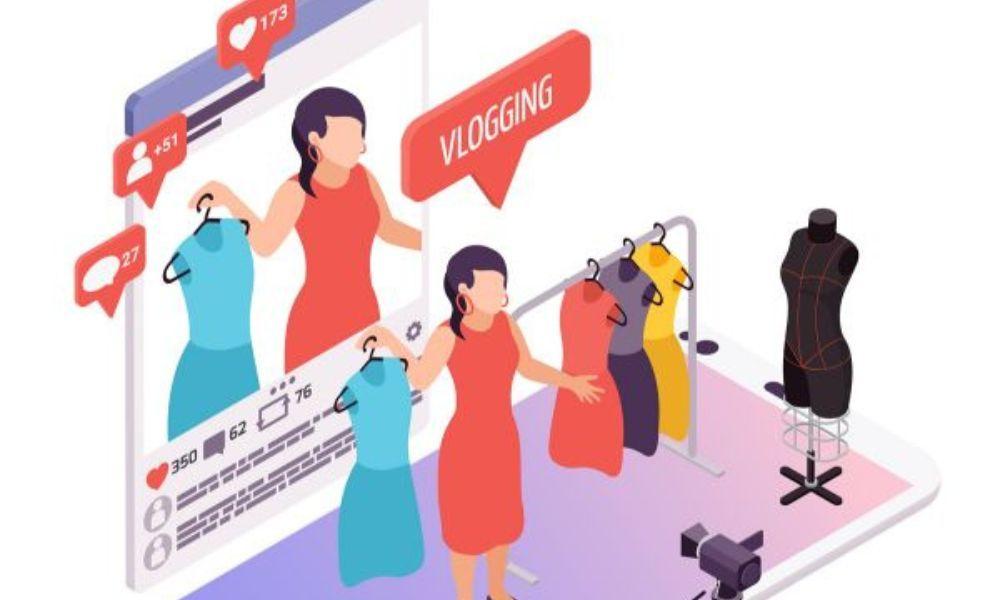
Types of Influencer Marketing Campaigns
Influencer marketing can take different forms depending on the goal, budget, and stage of the brand. These formats are not interchangeable. Each one works best in specific situations and produces different outcomes.
1. Sponsored content
Sponsored content is the most common format. A brand pays an influencer to feature a product or service in a piece of content published on the influencer’s channel.
The outcome depends heavily on fit. When the product aligns with the influencer’s usual content, sponsored posts can drive awareness and engagement without feeling intrusive. When the fit is weak, the content often performs poorly, regardless of reach.
Sponsored content is typically used for visibility, launches, or reinforcing brand presence.
Example: A dermatologist posting about a medical-grade sunscreen with a “swipe-up” link. Requires #ad or #sponsored disclaimers to comply with FTC guidelines.
2. Product seeding
Product seeding involves sending products to influencers without a guaranteed posting requirement. The goal is exposure through genuine interest rather than obligation.
This approach works best with smaller creators or in niches where products are easy to integrate into everyday content. The trade-off is control. Not every seeded product results in a post, but the content that does appear often feels more natural.
Product seeding is commonly used for testing interest and building early relationships.
3. Affiliate and performance-based campaigns
In performance-based campaigns, influencers earn compensation based on results, such as sales or sign-ups. This is usually tracked through unique links or discount codes.
This model aligns incentives. Brands pay for outcomes rather than exposure. Influencers are motivated to promote products they believe will convert. The downside is that it requires clear tracking and works best when the product has a straightforward buying path.
Affiliate campaigns are often used in e-commerce and subscription-based businesses.
Example: A fitness influencer sharing a 15% off code for your activewear line.
Key Metric: Track conversion rates to assess ROI.
4. Giveaways and collaborations
Giveaways and collaborative campaigns are designed to increase engagement and reach quickly. Influencers encourage their audience to interact by liking, commenting, following, or sharing content in exchange for a chance to win a prize.
These campaigns generate attention and interaction, but the quality of engagement varies. They are useful for visibility and audience growth, but less reliable for long-term conversion unless followed by additional activity.
Example: A tech influencer hosting a “Gaming Bundle” giveaway with your keyboard brand.
Watch out: Ensure prizes comply with platform rules and local contest laws (e.g., no auto-subscription traps or prohibited items).
5. Long-term ambassador partnerships
Ambassador partnerships involve ongoing collaboration with the same influencers over time. Instead of a single post, influencers become recurring representatives of the brand.
This format builds familiarity and trust through repetition. Audiences see the product used in different contexts, which strengthens credibility. Ambassador programs require more planning, but they tend to produce more consistent results than one-off campaigns.
Long-term partnerships work best for brands focused on sustained growth rather than short-term spikes.

How Brands Find and Work With Influencers
For influencer marketing to work, brands and creators need a clear and workable way to find each other, agree on terms, and collaborate. This part of the process is often overlooked, but it has a direct impact on campaign quality and long-term results.
Manual discovery vs influencer platforms
Brands can find influencers in two main ways. The first is manual discovery, which involves searching on social platforms, reviewing content, and evaluating profiles one by one. This approach offers control and context, but it takes time and does not scale easily.
Influencer platforms centralize discovery and management. They allow brands to filter creators by audience, content, and performance indicators, and to manage outreach and campaigns in one place. The trade-off is less personal context at the start, which needs to be addressed through communication.
Both approaches can work. The choice depends on campaign size, available resources, and the level of structure required.
Outreach and relationship building
Outreach sets the tone for the entire partnership. Generic messages are easy to spot and often ignored. Personal outreach shows that the brand understands the creator’s work and audience.
Effective outreach explains why the collaboration makes sense, not just what is being offered. It focuses on fit, expectations, and value on both sides. Over time, consistent and respectful communication turns one-off collaborations into ongoing relationships.
Relationship building matters because influencer marketing improves with familiarity and trust between partners.
Briefs, approvals, and communication
Clear communication prevents misunderstandings. A good brief outlines goals, deliverables, timelines, and any non-negotiable requirements such as disclosures or usage rights.
Approval processes should be defined early so content can be reviewed without slowing down publication. At the same time, influencers need room to adapt the message to their own style.
When expectations are documented, and communication remains open, campaigns run more smoothly and produce better outcomes.
How Much Influencer Marketing Costs and What Affects Pricing
Influencer marketing does not have a fixed price. Influencer marketing costs vary widely depending on who is involved, what is being produced, and how the content will be used. Understanding these variables helps brands set realistic expectations and avoid comparing campaigns on price alone.
Typical pricing factors
Several factors influence how much an influencer charges.
Audience size is one, but it is not the only one. Platform matters because production effort and content lifespan differ. A short video, a long-form review, and a series of stories each require different levels of work.
Content type affects pricing as well. Video usually costs more than static posts because it takes more time and skill to produce. Usage rights also play a role. If a brand plans to reuse content in ads or on its own channels, that value should be reflected in the agreement.
Pricing reflects scope, not just exposure.
Paid vs product-only collaborations
Some collaborations are paid, while others are based on product exchange. Product-only arrangements are more common with smaller creators or in categories where the product itself provides clear value.
Paid collaborations offer more predictability. They allow brands to define deliverables and timelines with greater certainty. Product-only campaigns involve more risk, but they can work well for early testing or relationship building.
Choosing between the two depends on the campaign goal, the creator’s expectations, and the resources available.
Why cost alone does not determine success
Lower cost does not automatically mean better return. A low-priced collaboration that reaches the wrong audience can be more expensive in practice than a higher-priced partnership that produces relevant engagement.
Success depends on alignment. When audience, content, and intent are aligned, even modest budgets can perform well. When alignment is missing, spending more rarely fixes the problem. Cost should be evaluated in context, not in isolation.

How Influencer Marketing Performance Is Measured
Measuring influencer marketing is about understanding whether the campaign achieved its original purpose. The numbers that matter depend on what the brand set out to do. Without that context, performance data is easy to misread or overvalue.
Metrics by campaign goal
Each goal calls for a different set of metrics. Tracking everything at once usually creates noise rather than insight.
- Awareness is typically evaluated through reach, impressions, and frequency. These show how many people were exposed to the content.
- Engagement is measured through likes, comments, shares, and saves. These indicate how audiences interacted with the message.
- Traffic focuses on link clicks and visits to a specific page.
- Conversions are tracked through sign-ups, purchases, or other defined actions.
Metrics should be chosen before the campaign begins so results can be interpreted consistently.
Attribution basics
Attribution connects influencer activity to outcomes. This requires a simple but deliberate setup.
Common attribution methods include:
- Trackable links with UTM parameters
- Unique discount or referral codes
- Dedicated landing pages tied to the campaign
Each method has limits, but together they provide a clearer picture of influence. Attribution is rarely perfect, but consistent tracking allows for meaningful comparison over time.
What success looks like in practice
Success is not always a single number. In practice, it often looks like a combination of signals that confirm the campaign moved in the right direction.
A successful awareness campaign increases visibility within a relevant audience. A successful engagement campaign creates conversation and repeated interaction. A successful performance campaign produces measurable actions at a reasonable cost.
Over time, brands that measure consistently begin to see patterns. These patterns guide future decisions and help turn influencer marketing into a repeatable part of the marketing mix rather than a series of isolated tests.
Common Misconceptions About How Influencer Marketing Works
Influencer marketing is often misunderstood because only the visible part of the process is seen. Posts appear in feeds, but the planning, selection, and measurement behind them remain hidden. This leads to assumptions that oversimplify how the channel actually functions.
“Bigger influencers always perform better”
This belief persists because large follower numbers are easy to see and easy to compare. In reality, reach alone does not determine effectiveness.
Smaller or mid-sized influencers often have more focused audiences and higher levels of interaction. When their audience aligns closely with a product, the impact can be stronger than that of a larger creator with a broad and varied following. Performance depends on relevance and trust, not scale alone.
“One post equals instant results”
Many expect influencer marketing to deliver immediate outcomes after a single post. This expectation comes from how advertising is often framed, where exposure is assumed to translate directly into action.
In practice, influencer marketing works through repetition and familiarity. Audiences may notice a product several times before responding. Single posts can contribute, but sustained results usually come from consistent presence rather than one-off exposure.
“Influencer marketing is unpredictable”
Influencer marketing can seem unpredictable when campaigns are run without structure. When goals are unclear, partners are poorly matched, or results are not measured consistently, outcomes appear random.
When treated as a system with defined steps, influencer marketing becomes more predictable. While individual posts may vary in performance, patterns emerge over time. These patterns make it possible to refine strategy and improve results with each campaign.
Where Influencer Marketing Fits in a Modern Marketing Strategy
Influencer marketing works best when it is treated as part of a broader system, not as a standalone tactic. Its value becomes clearer when it supports different stages of the customer journey and connects with other marketing channels.
At the awareness stage, influencer content introduces brands in a familiar and credible way. Creators help place products in front of relevant audiences who may not be actively searching yet. This early exposure builds recognition and frames how the brand is perceived.
During consideration, influencer marketing supports evaluation. Audiences see products explained, demonstrated, or used in real contexts. This helps reduce uncertainty and answers questions that traditional ads often fail to address. Repeated exposure through trusted voices reinforces credibility.
At the conversion stage, influencer marketing can drive action when combined with clear calls to action, links, or codes. While it is not always a direct sales channel, it often plays a supporting role by warming the audience before other conversion-focused efforts take over.
Influencer marketing also works alongside paid advertising, SEO, and organic social content. Influencer content can inform paid creative, improve engagement signals, and support search-driven research by shaping brand perception before users look for more information. When these channels are aligned, each one becomes more effective.
Consistency matters more than isolated campaigns. One-off collaborations can create short-term visibility, but sustained partnerships and repeated presence build familiarity and trust over time. In a modern strategy, influencer marketing functions as an ongoing layer that supports growth across channels rather than a temporary boost.
Key Takeaways
Influencer marketing has become a key part of modern digital strategy, and for good reason. It offers a powerful way to connect with the audience through authentic, relatable content and trusted voices they already follow.
It works best when it is approached as a system rather than a shortcut. It begins with clear goals, continues through careful selection and collaboration, and ends with measurement and learning. Each step builds on the previous one.
In practice, influencer marketing delivers the best results when it is consistent and intentional. Short-term campaigns can generate visibility, but long-term partnerships build familiarity and credibility. Over time, this turns influencer marketing into a stable part of the marketing mix, capable of supporting awareness, consideration, and conversion in a repeatable way.
For brands that want to apply this approach at scale, having the right structure matters. Some choose to work directly with creators through an influencer marketplace that simplifies discovery and collaboration. Others prefer to run campaigns like an influencer marketing agency that manages strategy, execution, and optimization end-to-end. Both paths work when they support a clear process rather than replacing it.
Seen clearly, influencer marketing is not unpredictable or experimental. It is a structured discipline that improves with experience, alignment, and careful execution.