Run Micro Influencer Campaigns - Powered by Hypefy

Find and Hire Micro Influencers

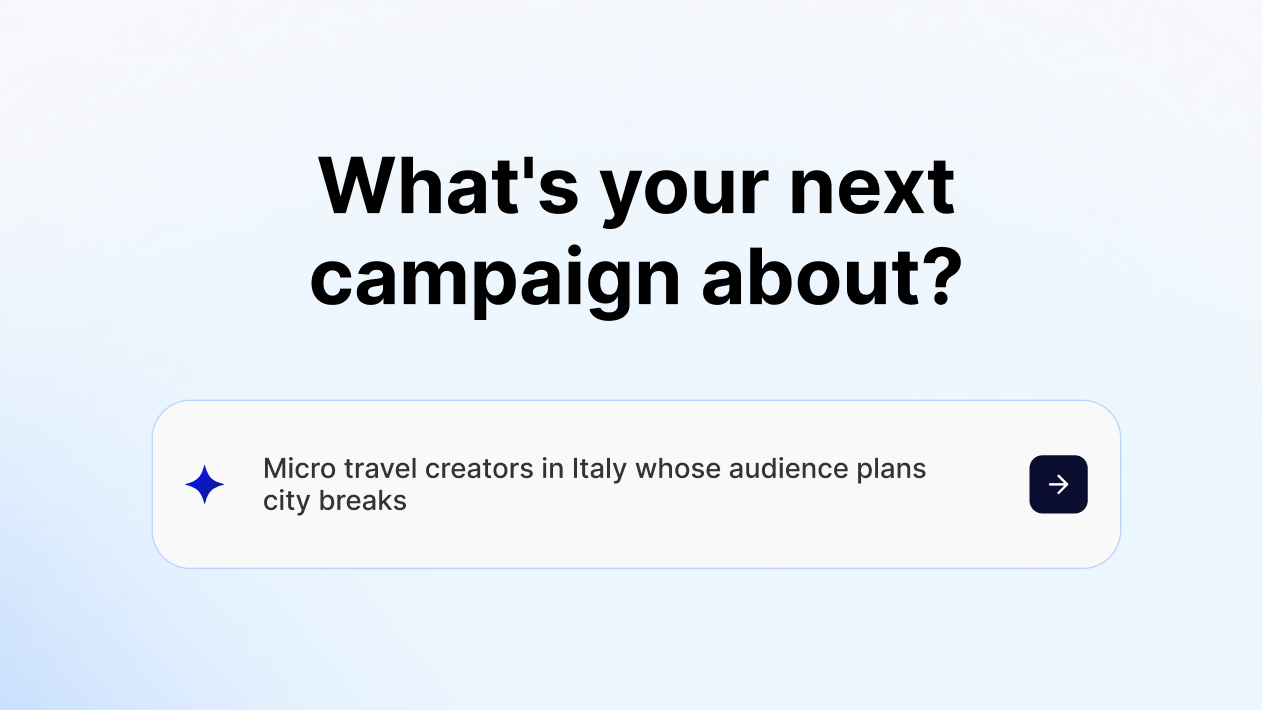
Want to connect with micro influencers who match your brand? Hypefy helps you find the right creators, reach out to them directly, and manage every part of your campaign within one streamlined platform.

9RnIZm2dsFM

The Smarter Way to Do Influencer Marketing

Whether you are promoting a new product, launching a service, or scaling campaigns, Hypefy makes working with micro influencers straightforward. From discovering trusted creators to managing content, payments, and performance tracking, every step is streamlined so you can focus on building meaningful brand connections. Designed for speed, transparency, and measurable results, Hypefy supports solo marketers, growing brands, and large teams. If you want a smarter way to reach audiences through authentic micro influencer partnerships, Hypefy offers everything you need in one place.

100+

Brands

5m+

Reach

98%

Satisfaction

The Smarter Way to Do Influencer Marketing

How It Works

The Process Behind It

Hypefy uses advanced technology and real-time insights to make working with micro influencers simple. From discovering the right creators and automating outreach to managing content and monitoring results, everything is handled in one easy-to-use platform.

AI Campaigns

Launch data-driven campaigns with smart automation for targeting, timing, and performance optimization.

Learn More

Influencer Marketplace

Access our network or connect with any influencer - no platform limits, no restrictions.

Learn More

Influencer Discovery

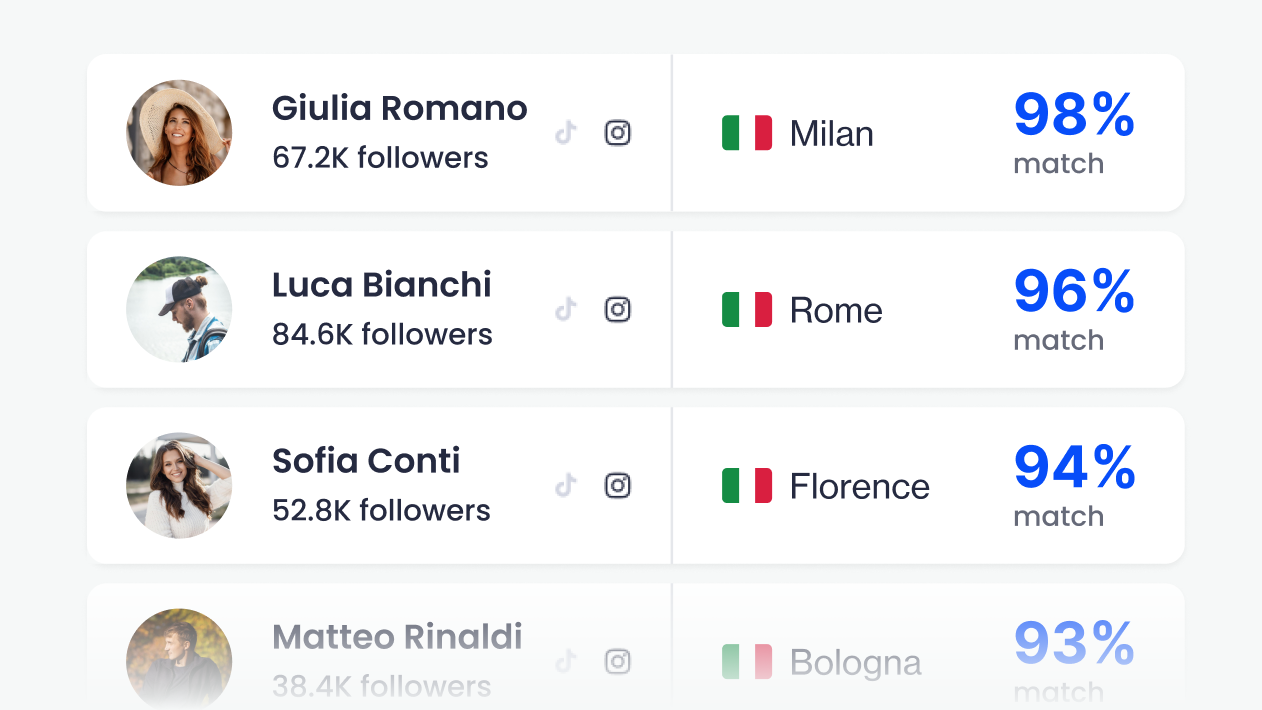
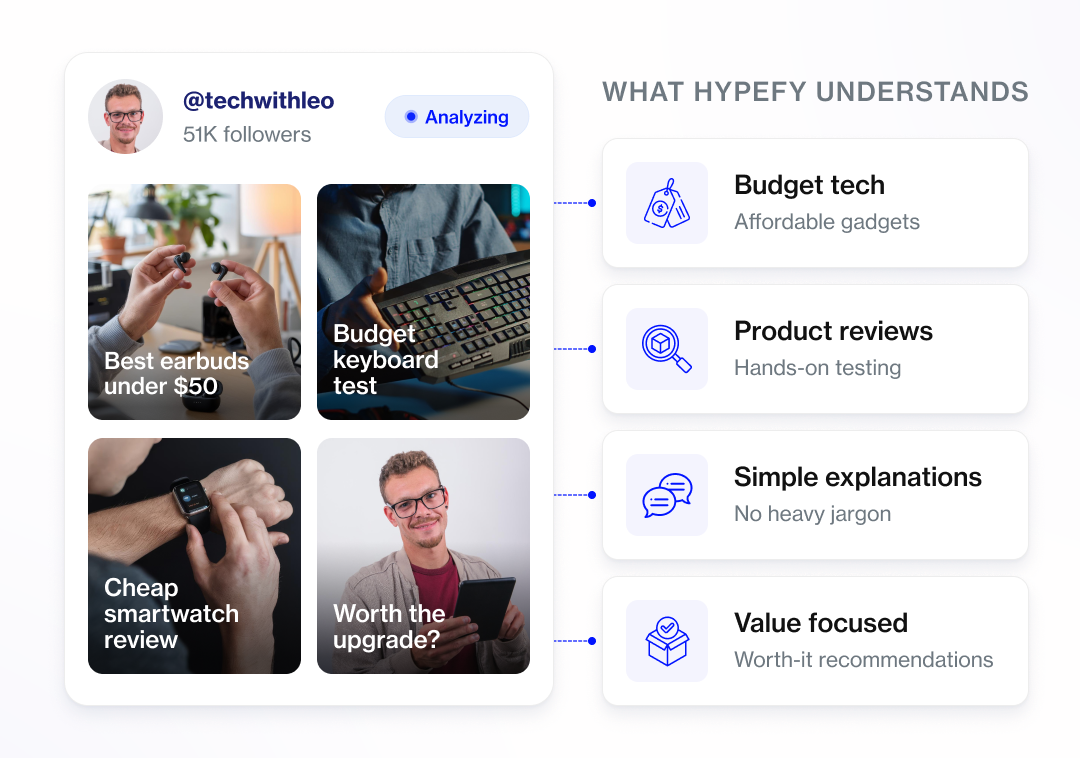
Find creators that match your brand using filters, insights, and AI suggestions.

Learn More

Influencer Outreach

Personalized outreach and follow-ups are fully automated and handled by the platform.

Learn More

Influencer Hiring

Proposals, terms, and approvals are streamlined - the platform manages negotiations for you.

Learn More

Influencer Payment

Payments, contracts, and compliance are processed automatically and securely within the system.

Learn More

Get Started

Onboard Now. Launch Today.

Onboard Now. Launch Today.

In just 30 minutes, see how AI and our expert team deliver unmatched reach, ROI, and ease – trusted by top brands. You'll walk away with:

A live product demo

A customized campaign brief

A clear plan to scale your next big win

Who It's For

Built for Teams of All Sizes

Whether you are promoting a new product, launching a service, or scaling campaigns, Hypefy makes working with micro influencers straightforward. From discovering trusted creators to managing content, payments, and performance tracking, every step is streamlined so you can focus on building meaningful brand connections. Designed for speed, transparency, and measurable results, Hypefy supports solo marketers, growing brands, and large teams. If you want a smarter way to reach audiences through authentic micro influencer partnerships, Hypefy offers everything you need in one place.

DTC Brands

For direct-to-consumer companies ready to scale, our platform simplifies influencer marketing and drives measurable growth.

Marketing Professionals

Ideal for brand marketers and teams who need a faster, smarter way to manage influencer campaigns end to end.

Agencies

Give your clients better results with less effort - streamline influencer discovery, outreach, and reporting in one place.

Common Challenges When Hiring Influencers Manually

Manual influencer hiring is operationally complex and difficult to scale. The primary challenge is fragmentation. The creator ecosystem spans multiple platforms, regions, and audience segments, making systematic discovery difficult without structured tools or databases.

Audience alignment is another major constraint. Research consistently shows that brands prioritize creator reputation and audience fit as primary selection criteria, yet these attributes are difficult to evaluate without data infrastructure. Fragmented data and inconsistent reporting standards make cross-platform comparison challenging.

Performance measurement also presents structural limitations. Campaign outcomes are often evaluated using platform-level metrics such as likes or impressions, which do not reliably connect to downstream business results. Attribution gaps are particularly common when campaigns involve multiple creators, channels, or content formats.

Operational workload further increases complexity. Manual outreach, negotiation, content approval, and reporting require coordination across multiple communication channels. As campaigns scale, administrative overhead grows exponentially.

Compliance risk is another factor. Sponsored content regulations vary by region, and inconsistent disclosure practices remain common across the industry, exposing brands to regulatory and reputational risk if campaigns are not properly monitored.

These challenges intensify as influencer marketing investment grows. With more brands managing larger creator portfolios, manual processes increasingly limit campaign efficiency and consistency.

How AI Improves Influencer Recruitment

Artificial intelligence introduces scale, speed, and predictive analysis into the influencer recruitment process. Rather than manually evaluating individual creators, AI systems analyze large datasets of profiles, engagement patterns, and audience attributes to identify statistically relevant matches.

This capability is increasingly important as influencer marketing becomes a core acquisition channel. The global influencer marketing industry continues to expand rapidly, with market size projected to exceed $40 billion in 2026 and expected to grow at over 30% annually in the coming years.

AI improves recruitment in several measurable ways:

  • Predictive matching – Algorithms evaluate engagement quality, audience overlap, and content relevance to estimate campaign fit.
  • Fraud detection – Automated analysis can identify irregular follower growth or engagement patterns.
  • Campaign optimization – Real-time data enables adjustments during campaign execution rather than after completion.
  • Scalable analysis – Large creator pools can be evaluated simultaneously without increasing operational workload.

Industry adoption reflects this shift. A substantial share of brands now use or plan to use AI across campaign planning, content development, and performance optimization, indicating a structural move toward automated decision support in creator marketing.

In practice, AI reduces time-to-hire, improves selection accuracy, and enables data-driven campaign management at scale.

Benefits of Using an Influencer Hiring Platform

Influencer hiring platforms centralize campaign operations and provide standardized workflows for discovery, collaboration, and measurement. This operational structure is increasingly important as influencer marketing budgets expand and campaigns become more complex.

Industry adoption demonstrates the strategic importance of structured tools. Approximately 86% of marketers now use influencer marketing, and participation continues to grow across sectors and company sizes.

Key operational benefits include:

  • Centralized campaign management – Platforms consolidate outreach, communication, deliverables, and reporting into a single system, reducing administrative fragmentation.
  • Standardized measurement and reporting – Integrated analytics support consistent tracking of reach, engagement, traffic, and conversions, improving attribution accuracy.
  • Improved financial performance visibility – Influencer marketing delivers measurable returns when properly tracked. Average ROI is commonly reported around $5–6 for every $1 spent, with top-performing campaigns achieving substantially higher returns.
  • Scalable collaboration – Brands frequently work with multiple creators simultaneously. Structured platforms allow campaigns to scale without proportional increases in operational workload.
  • Process consistency and compliance control – Standardized workflows reduce communication errors, missed deliverables, and disclosure risks.

As influencer marketing transitions from experimental spending to a strategic acquisition channel, platform-based management becomes a structural requirement rather than an operational convenience.

How to Select and Manage Influencers Effectively

Successful influencer campaigns depend on structured selection criteria and disciplined campaign management. These two functions operate as a single process: selecting the right creators establishes the foundation for measurable campaign performance, while structured management ensures consistent execution and accountability.

Define measurable campaign objectives

Influencer selection should begin with clearly defined business outcomes. Campaigns may target awareness, engagement, traffic generation, customer acquisition, or revenue growth. Each objective requires different creator characteristics and performance benchmarks.

Without defined success metrics, influencer evaluation becomes subjective and performance attribution becomes unreliable.

Evaluate audience alignment and relevance

Audience fit is typically the strongest predictor of campaign effectiveness. Selection should prioritize:

  • Demographic overlap with target customers
  • Geographic relevance
  • Interest and behavioral alignment
  • Consistency of audience engagement

Follower count alone is not a reliable indicator of influence. Engagement quality, audience credibility, and content relevance provide more meaningful performance signals.

Assess historical performance and content consistency

Past campaign outcomes provide measurable indicators of future performance. Evaluation should include:

  • Engagement stability over time
  • Content format effectiveness
  • Brand collaboration history
  • Conversion or traffic impact when available

Consistent performance patterns are generally more predictive than isolated high-performing posts.

Establish structured campaign briefs and deliverables

Operational clarity directly affects campaign efficiency. A structured brief should define:

  • Campaign goals and key performance indicators
  • Messaging guidelines and creative direction
  • Deliverable formats and timelines
  • Approval workflows and revision limits
  • Disclosure and compliance requirements

Clear documentation reduces execution risk and minimizes communication friction.

Implement formal content review and approval workflows

Structured review processes help maintain brand consistency and regulatory compliance. Defined approval stages ensure that content aligns with campaign objectives before publication.

Organizations managing multiple creators benefit significantly from standardized review protocols.

Monitor performance continuously and optimize in real time

Campaign monitoring should occur throughout execution rather than only after completion. Continuous performance tracking enables adjustments to:

  • Content formats
  • Posting schedules
  • Creator mix
  • Budget allocation

Real-time optimization improves overall campaign efficiency and reduces wasted spend.

Develop long-term creator partnerships

Ongoing relationships typically produce stronger results than one-time collaborations. Long-term partnerships improve:

  • Brand familiarity within the creator's audience
  • Content authenticity
  • Operational efficiency
  • Performance consistency

Always-on influencer programs increasingly replace short-term campaign models in mature marketing organizations.

Maintain compliance and disclosure oversight

Regulatory standards require transparent sponsorship disclosure across most markets. Monitoring compliance protects brand reputation and reduces legal risk. Structured campaign management ensures consistent adherence to disclosure requirements.

Scale operations through standardized processes

As influencer portfolios grow, manual coordination becomes inefficient. Scalable programs rely on:

  • Centralized communication systems
  • Standardized reporting frameworks
  • Consistent performance metrics
  • Documented workflows

Process standardization is essential for maintaining performance consistency across large creator networks.

Frequently Asked Questions About Running Marketing Campaigns With Micro Influencers

Whether you are promoting a new product, launching a service, or scaling campaigns, Hypefy makes working with micro influencers straightforward. From discovering trusted creators to managing content, payments, and performance tracking, every step is streamlined so you can focus on building meaningful brand connections. Designed for speed, transparency, and measurable results, Hypefy supports solo marketers, growing brands, and large teams. If you want a smarter way to reach audiences through authentic micro influencer partnerships, Hypefy offers everything you need in one place.

What is a micro influencer?

A micro influencer is a content creator with a moderately sized but still highly engaged audience, typically ranging from ten thousand to around fifty thousand followers. Their audience is large enough to offer meaningful reach, yet concentrated enough to maintain familiarity and trust between the creator and their community. Platforms vary by niche, but Instagram, TikTok, YouTube, and blogs remain common spaces where micro influencers publish reviews, personal experiences, and interest-driven content. Micro influencers tend to specialize in specific topics or lifestyle categories. This might include beauty, skincare, fitness, gaming, home decor, wellness, sustainable fashion, or consumer tech. Because their content is rooted in a clear specialty, audiences follow them not only for entertainment or inspiration, but for guidance, recommendations, and evaluations within that category. Followers often view micro influencers as knowledgeable peers or relatable experts rather than as celebrities. The advantage of working with micro influencers lies in the combination of relevance, credibility, and scale. Compared to nano creators, micro influencers can reach a broader slice of their niche with a single post or video. Engagement rates tend to remain stronger and more organic than those seen with macro or mega influencers, where audience diversity and lower personal familiarity often reduce interaction and trust. For brands, this balance creates a practical route to targeted awareness without the costs associated with large, mainstream creators. Micro influencer campaigns can serve different marketing goals, including product launches, social proof, content generation, affiliate programs, direct response promotions, and category education. Because micro influencers typically know their audience well, they incorporate brands into content formats that feel natural to their viewers, such as day-in-the-life videos, tutorials, reviews, comparisons, or routine integrations. This style works particularly well for products that benefit from explanation or demonstration. When executed consistently, partnerships with micro influencers can form the backbone of scalable influencer programs. Instead of relying on a handful of larger placements, brands can distribute spend across multiple micro creators, gather feedback from niche communities, test messaging angles, and build ongoing visibility within targeted segments. This structured approach has become increasingly common in performance-oriented influencer marketing, where intent, authenticity, and category alignment carry more weight than broad, non-specific exposure.

Why should you run influencer campaigns with micro influencers?

Micro influencer campaigns give brands access to engaged audiences who value the recommendations and experiences shared by creators they follow. Micro influencers occupy a useful middle ground: their communities are large enough to produce visible outcomes but still personal enough to maintain trust. This combination makes their opinions more persuasive than traditional advertising and more credible than celebrity-style endorsements. There are clear strategic reasons brands work with micro influencers. First, they deliver relevance. Micro creators typically develop expertise or personality-driven content around specific interests, such as skincare, fashion, wellness routines, home decor, gaming, personal finance, specialty foods, or travel tips. Their audiences pay attention because they care about the category, not just the personality. This reduces wasted exposure and improves campaign efficiency. Second, micro influencers support both awareness and performance. Many categories benefit from context and peer validation, and micro creators excel at explaining how a product fits into daily life or solves a particular problem. Their storytelling is personal, informal, and experiential, which helps audiences move from curiosity to intent. For products sold through social commerce experiences, micro creators can directly influence trial, sign-ups, or conversions through link clicks, discount codes, or platform-native shopping features. Third, micro influencer content performs well on platforms such as Instagram and TikTok because it mirrors native user behavior. These platforms reward storytelling formats like before-and-after, routines, tutorials, try-ons, comparisons, and lifestyle integrations. Viewers tend to pay more attention to content that feels relatable and unscripted, which strengthens engagement signals and improves discoverability through algorithmic distribution. Micro influencer campaigns also contribute to longer-term brand building. Instead of relying on one-off placements or short bursts of exposure, brands can work with clusters of micro creators over time. Repeated visibility across multiple profiles and audiences can establish familiarity within niche communities and support category leadership. Because micro influencers are more cost-efficient than macro creators, brands can diversify spend, test messaging, and refine audiences without excessive risk. When structured properly, micro influencer programs act as both a source of trusted recommendations and a steady supply of usable content. Creators produce testimonials, social proof, and visual assets that can be reused in ads, email, product pages, or social feeds. This combination of authenticity, performance potential, and operational flexibility is a key reason micro influencer campaigns have become central to modern social-first marketing strategies, especially in categories where credibility and context shape purchasing decisions.

How Does Hypefy Work?

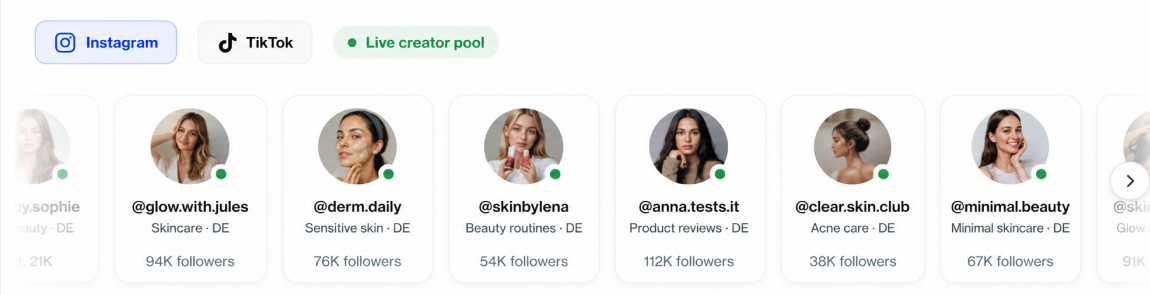
Hypefy is an AI-powered influencer marketing platform that automates every step of your campaign. Here's how it works: 1. Campaign Setup – Enter your campaign goals, target market, and budget. 2. AI-Generated Brief – Hypefy creates a tailored campaign brief based on your inputs. 3. Influencer Discovery – The platform finds relevant influencers directly from Instagram and TikTok. 4. Outreach & Coordination – Hypefy handles communication, follow-ups, and creator onboarding. 5. Content Review – You approve content before it goes live, ensuring brand alignment. 6. Performance Tracking – Monitor reach, engagement, and ROI in real-time through a smart dashboard. With features like AI scoring and flexible automation, Hypefy helps you run efficient, scalable influencer campaigns.

How to choose and hire micro influencers

Choosing the right micro influencers begins with defining campaign objectives and clarifying who you want to reach. Micro creators differ widely by niche, audience demographics, and content format, so alignment matters as much as follower count. A brand promoting skincare might look for creators who share routines and ingredient breakdowns, while a fitness brand may focus on training content, daily habits, or wellness education. The goal is to find creators whose content, values, and audience naturally connect with what the brand offers. Once objectives are set, the evaluation phase becomes more technical. Effective micro influencers tend to have consistent engagement patterns, active comment sections, and audience interests that match the brand's category. Metrics such as engagement rate, audience authenticity, geographic distribution, and age breakdown help verify fit. Reviewing how the creator talks about products, responds to followers, and structures sponsored posts can also reveal how well they convert attention into action. For scaling campaigns, operational efficiency matters as well. Collaborating with multiple micro influencers requires a process for outreach, negotiation, creative briefs, approvals, deadlines, and performance tracking. Without structure, the workload increases quickly, especially for brands that plan to activate dozens of creators at once or run ongoing partnerships across several months. This is where Hypefy adds utility. The platform allows brands to discover vetted micro influencers, filter by niche, platform, audience characteristics, and budget, and review performance indicators before committing. Outreach, contracting, approvals, and campaign tracking happen in one place, which reduces administrative friction and makes data easier to compare. For product launches, seasonal pushes, or recurring influencer programs, this centralization improves decision-making and reporting accuracy. Whether the goal is to drive awareness, support social commerce, or build long-term category presence, Hypefy helps brands choose micro influencers with confidence and manage collaborations with the level of structure needed for repeatable results.

How Hypefy Enables Collaboration With Influencers?

Brands and agencies can leverage Hypefy, a platform packed with AI-powered tools to streamline influencer discovery, centralize campaign management, hiring, payments, and simplify performance tracking, all in one place, to boost efficiency and collaboration. By integrating Hypefy into your existing workflows, your team can quickly filter and identify the best-fit creators, automate routine outreach and briefing, and keep all campaign assets and approvals in a shared dashboard. With real-time analytics and automated reporting, Hypefy helps agencies optimize budgets, demonstrate clear ROI to clients, and free up time to focus on creative strategy and relationship building.

How much does it cost to hire micro influencers?

The cost of working with micro influencers varies based on audience size, engagement rate, content format, category competitiveness, and overall campaign scope. Micro influencers with ten thousand to fifty thousand followers typically charge between $250 and $1,000 per post, although rates fluctuate depending on platform, niche, and creator demand. Industries such as beauty, skincare, wellness, and consumer tech tend to command higher pricing because audiences rely on detailed product evaluations and social proof when making purchasing decisions. Format is another key variable. Short-form video content on platforms like Instagram and TikTok often requires more time, planning, and production effort than static images or Stories. Pricing can increase further for carousel posts, multi-step tutorials, before-and-after content, or social commerce integrations that require creators to demonstrate product usage or discuss results. Multi-platform packages also raise the total cost when a single campaign extends across Reels, TikTok posts, Stories sequences, or pinned highlights. Campaign structure affects budget as well. One-off placements are usually more expensive on a per-post basis, while longer-term partnerships provide cost efficiencies and stronger audience impact. For brands that want usage rights, exclusivity, paid media whitelisting, or the ability to repurpose creator content for ads or website assets, additional licensing fees may apply. These considerations matter most for performance-driven campaigns, where brands want to extend the value of influencer-generated content beyond organic reach. Managing costs becomes more complex when a campaign involves dozens of micro influencers across multiple niches, platforms, or regions. To stay aligned with internal targets, teams need visibility into estimated pricing, deliverables, and timelines before outreach begins. Hypefy helps streamline this budgeting process. Brands can filter micro influencers by budget and campaign criteria, view estimated pricing ranges, and compare cost factors alongside engagement and audience fit. Outreach, negotiation, briefs, approvals, and performance tracking all operate within one platform, which reduces administrative overhead and supports efficient allocation of spend. This structured approach makes it easier to scale micro influencer programs while staying within budget and optimizing for outcomes such as awareness, conversions, or content production value.

Ready to Get Started?

Book a free strategy session and see how Hypefy can help you find and hire the best micro influencers.

Try Hypefy today

No guessing, no waiting.
Get value now.

© Hypefy 2025. All rights reserved

FacebookInstagramLinkedInYouTubeTikTokX

Hypefy Inc. | Hypefy World d.o.o. | Selska cesta 217, 10000 Zagreb, Croatia
VAT ID HR89393159477 | IBAN: LT053250094708891892 Copyright © 2025. All Rights Reserved Hypefy Inc.