Philips, a name synonymous with consumer health, means something different in every home.
In Southeast Europe, its Personal Health division brings together beauty, oral care, and grooming under a single logo, from electric toothbrushes and IPL hair removal devices to hair dryers and intimate shavers.
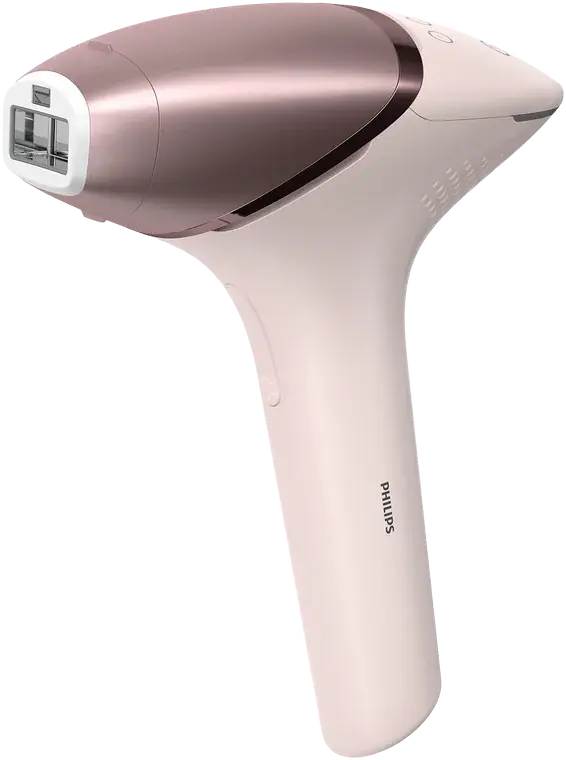
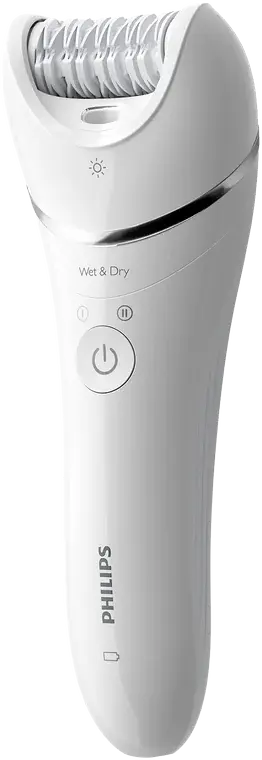

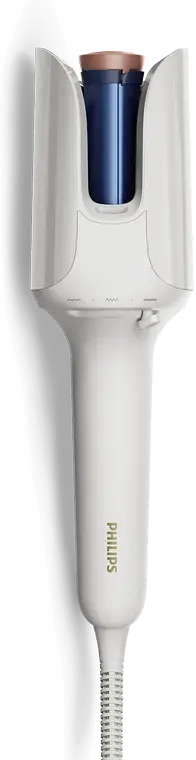
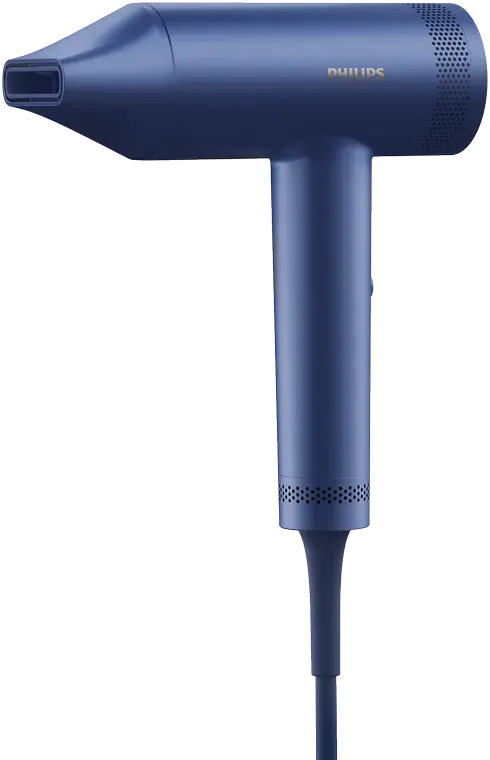
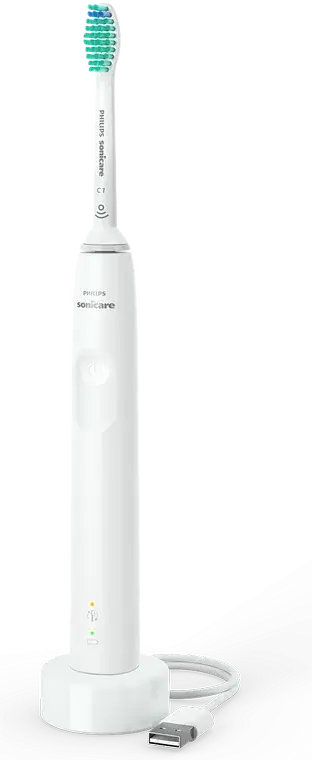
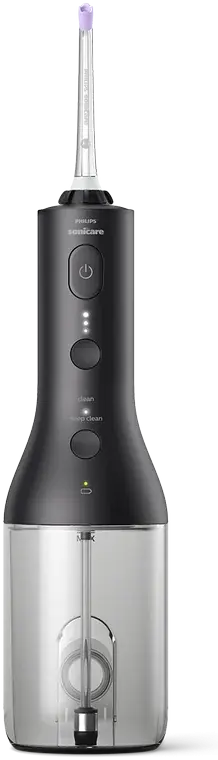
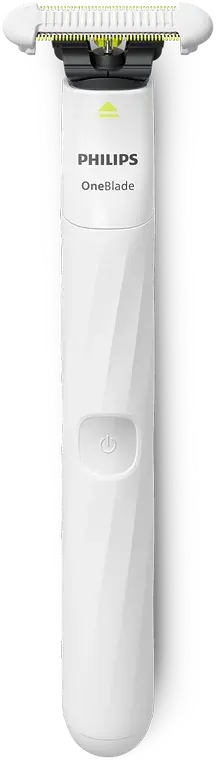
Each product addresses a unique need, yet together they make up one of the region's most familiar brands.
To shoppers, it's all Philips, a trusted, unified brand. But behind the scenes, running an influencer marketing campaign for Philips means juggling several distinctly different jobs across culturally diverse markets.
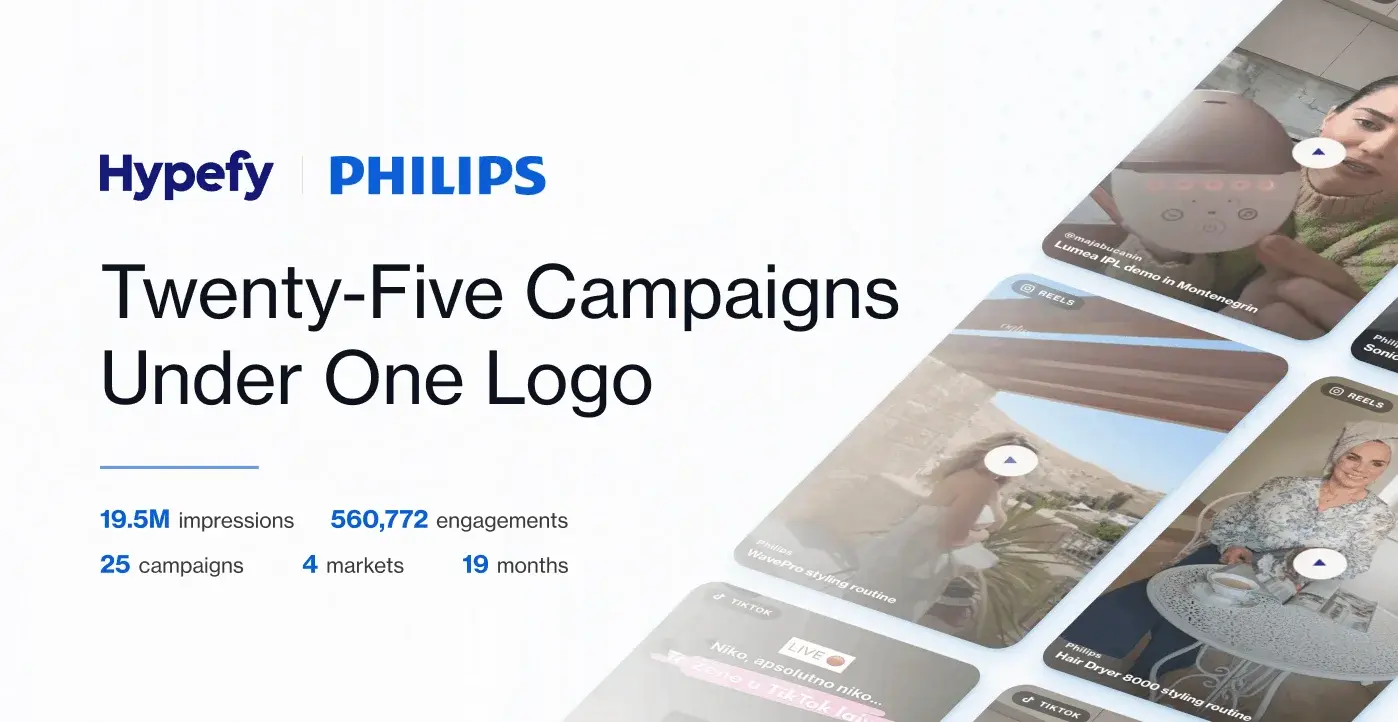
Between October 2024 and July 2026, 25 Philips campaigns were completed on Hypefy across Serbia, Slovenia, Montenegro, and Croatia, booking 134 unique creators, generating 509 original pieces of content, and sparking 560,772 engagements from a combined reach of 19.5 million impressions.
Across those nineteen months, the work rarely stopped, with campaigns overlapping and the next brief usually open before the last one closed.
* All figures cover 25 finished campaigns, launched across 19 months between October 2024 and May 2026 and all completed by July 2026. Program totals are given in impressions, since reach cannot be added across campaigns without counting the same people twice. Format comparisons use reach, because impressions per person vary by platform. Engagement rate is calculated on feed content, since Stories report no engagements.
Key Takeaways
A Household Name With Four Different Jobs
Philips doesn't have a recognition problem in Southeast Europe. Everyone knows the brand. What the brand has instead is a range problem, and it surfaces the moment a campaign needs a creator.
A hair dryer campaign wants beauty creators who film styling routines, and there are plenty of them.
Switch to an IPL device, and you need creators comfortable discussing body hair removal on camera, which is a smaller pool and a much harder ask.
Sonicare needs a creator who can make two minutes of brushing worth watching.
OneBlade Intimate needs someone willing to discuss intimate grooming in front of an audience.
Four products, four entirely different conversations, none of which translate easily when the campaign crosses a border into another language.
The numbers prove the point. Of the 134 creators booked for these campaigns, only eight worked on more than one product line. The other 126 stayed inside one.
Seven Creator Pools With No Overlap
Three product lines across four markets meant seven different creator pools, because no product line ran everywhere. Each pool is a separate population, and every campaign inside it needs its own selection from that population.
 Serbia
 Slovenia
 Montenegro
 CroatiaBeautyOral careMale grooming
Every launch needs a fresh creator set matched to the product, the market, the language, and the local rates.
A beauty creator in Ljubljana, Slovenia might thrive with hair dryers, but that tells you nothing about her audience's appetite for an IPL demo, and even less about who to approach in Podgorica, Montenegro.
That question came up twenty-five times in nineteen months, and each answer had to arrive in time for the retail window it was built around.
Even that wasn't the full story. Twenty-five campaigns meant twenty-five sets of results, and those results only mattered if they could be compared. Standardizing measurement across four markets and three product lines was a challenge of its own, and without it every campaign is a data point that stands alone.
How Launching the Campaigns Worked
Every one of the 25 campaigns began with a brief from the brand. Hypefy sourced against it market by market, then carried each deal from first outreach to verified reach.
Filters and influencer databases can show you every Slovenian beauty creator above 50,000 followers. Deciding which of them will demo an IPL device on camera, or make a toothbrush routine watchable, is a different question, and it's the one Hypefy scores against.
Creators are matched to the brief itself, weighed on content, style, and whether their audience is the one the campaign wants.
Every suggested creator arrives with a written rationale, so no one approves on faith. Audiences are checked for inactive and doubtful followers before anyone makes the shortlist.
Across all 25 campaigns, that meant 4,487 profiles evaluated, and 622 put forward for approval, with no longlist built outside the platform.
Once a creator was approved, a Hypefy AI agent took the deal from there.
It set the opening price based on what the creator's recent posts were predicted to deliver instead of the rate the creator quoted.
It also negotiated directly in the creator's own language, countered within the campaign budget, followed up if anyone went quiet, tracked delivery, and verified the published reach once the content went live.
A Hypefy campaign manager stayed on the account the entire way, available to the brand whenever it was needed.
That came to 189 deals opened, negotiated, and closed, of which 187 delivered published content.
- 1Opening price based on what the creator's recent posts were predicted to deliver
- 2Negotiated in the creator's own language, within the campaign budget
- 3Followed up if anyone went quiet
- 4Tracked delivery
- 5Verified the published reach once the content went live
delivered published content
It also built a roster along the way. Of the 134 creators booked, 33 were invited back, 16 worked on three or more campaigns, and four appeared in four.
Those repeat bookings were always within a single product line, since a Sonicare creator rarely crossed over to Lumea, but inside a line the same faces kept returning.
Because the process never changed, all 25 campaigns came back measured the same way. That consistency mattered more than anyone expected for reasons the format section below sets out.
Campaigns in Detail
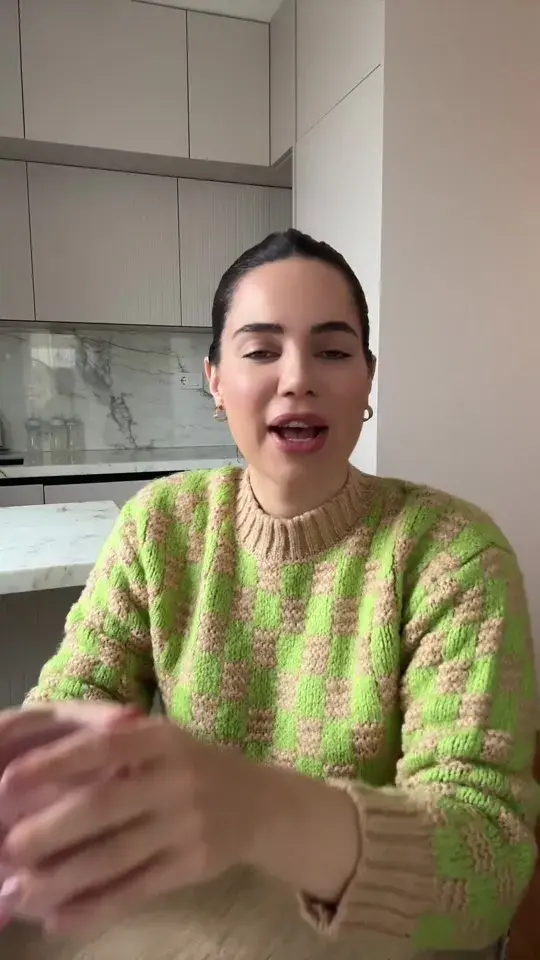
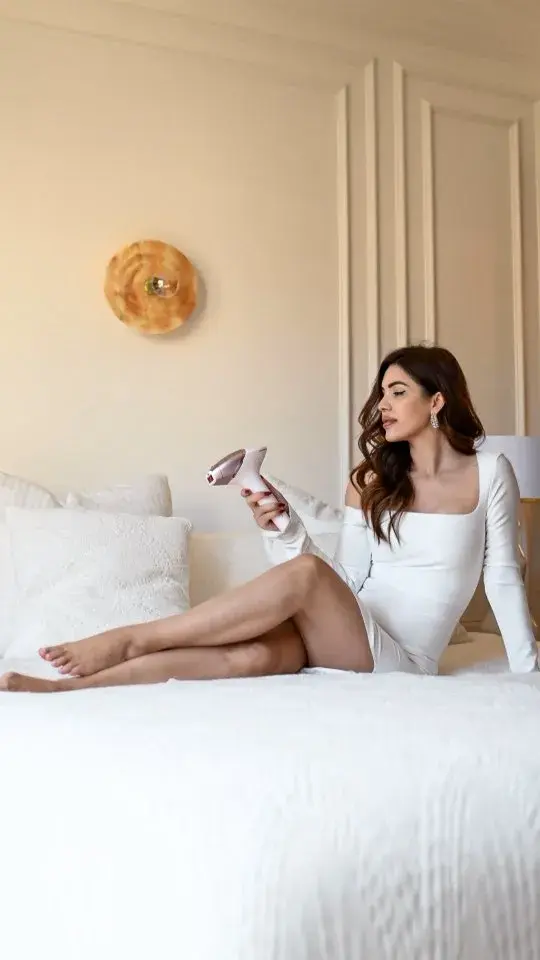
Five campaigns are worth looking at closely.
They cover both large product lines, three of the four markets, and the two formats that behaved very differently.
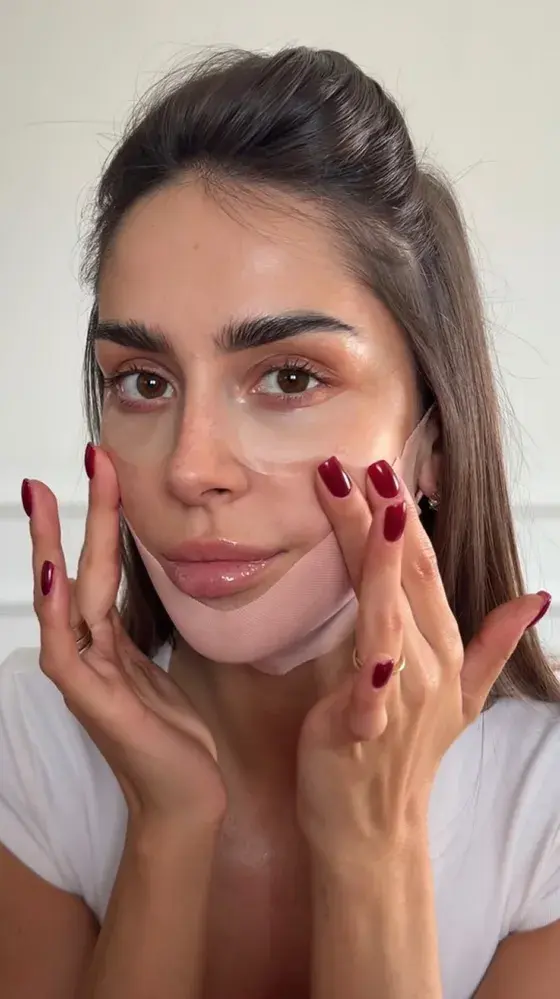
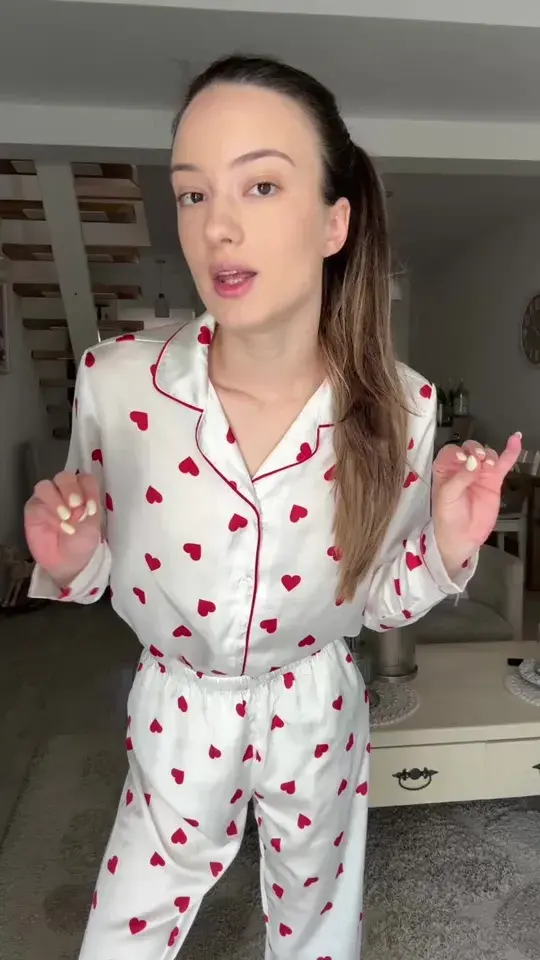
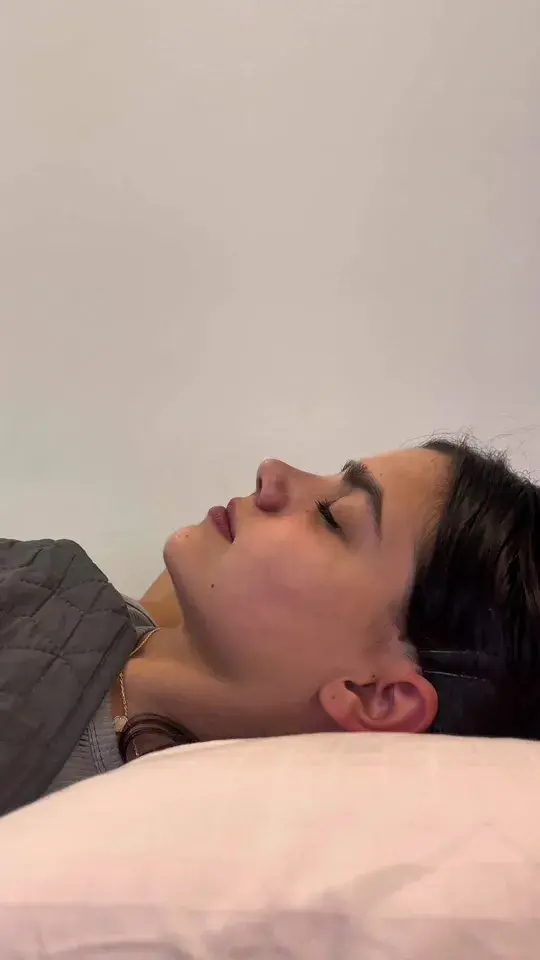

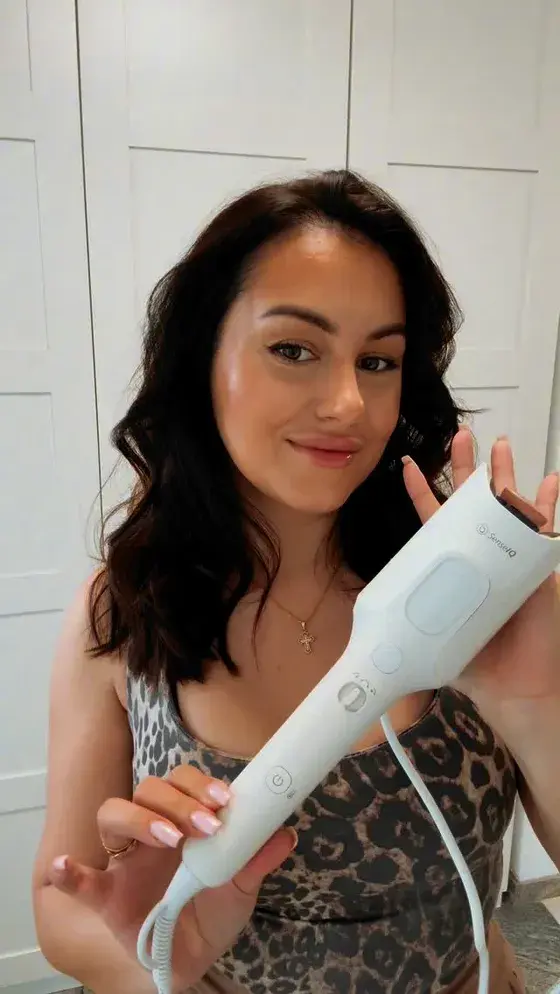
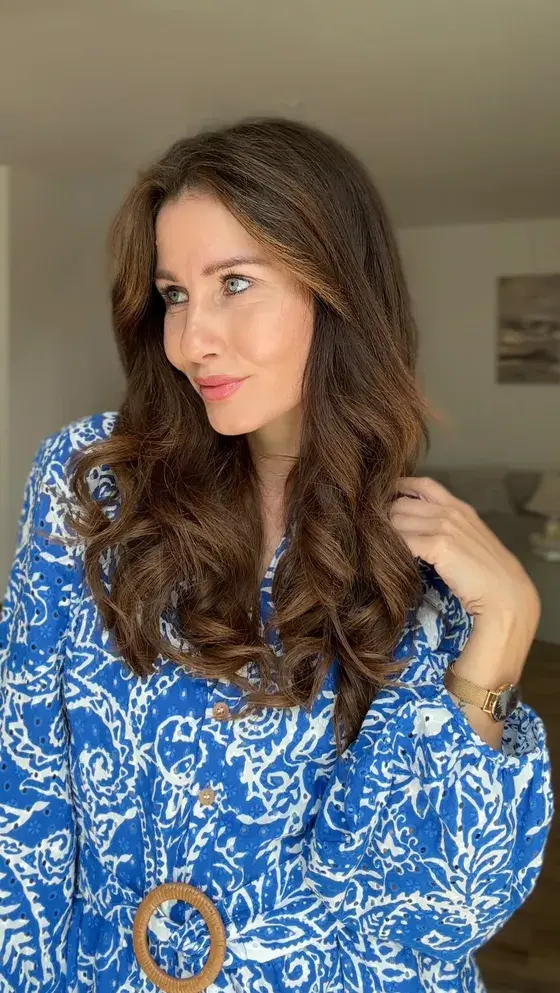
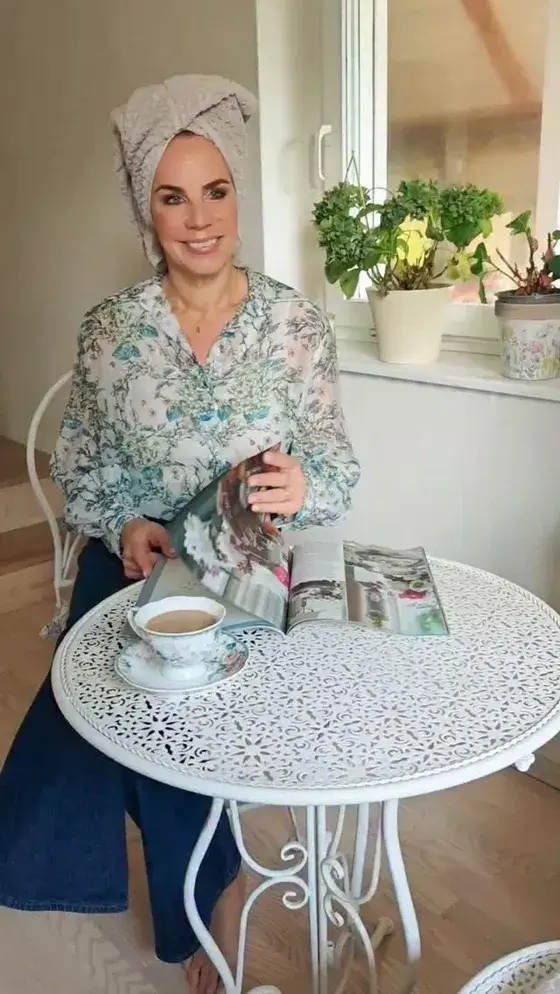
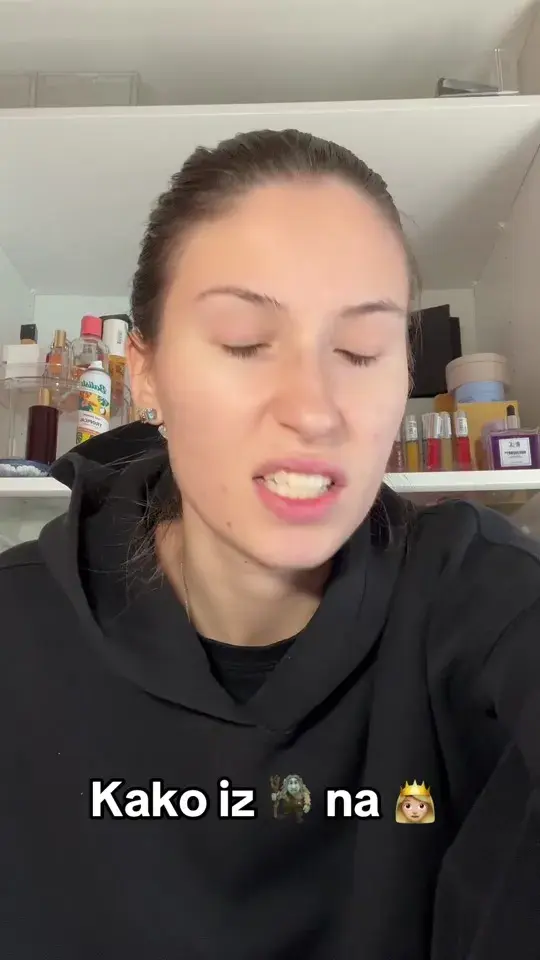
What 25 Comparable Campaigns Revealed
Sorted by format, the 509 pieces of content split like this:
TikTok posts delivered three times the median engagement rate of Instagram Reels on nearly identical median reach.
The trend held at campaign level. The 11 campaigns that drew half or more of their reach from TikTok saw a median 5.88% feed engagement rate, compared to 3.80% for the 14 that leaned on Instagram.
Format is not the whole story, though, and two campaigns say so.
WavePro Styler returned the highest engagement rate of all 25 at 8.68% while drawing only 13% of its reach from TikTok.
And a Serbian campaign for the Sonicare water flosser, at 46% TikTok, returned 1.94%, the lowest of the oral care set. What a creator is asked to demonstrate matters alongside where it runs.
None of this would have been visible in a single campaign. Only by measuring 25 of them identically could the pattern emerge, which is the case for running one program in one place rather than four separately.
Results
The Strongest Campaigns
Eight of the 25 campaigns cleared a 5.8% feed engagement rate, across two product lines and all four markets:
| Campaign | Market | Impressions | Engagements | Feed ER |
|---|---|---|---|---|
| WavePro Styler | Slovenia | 384K | 18.6K | 8.68% |
| SenseIQ Auto Curler I | Slovenia | 671K | 27.5K | 7.12% |
| SenseIQ Auto Curler II | Slovenia | 286K | 12.2K | 7.01% |
| Sonicare | Serbia | 1.12M | 54.0K | 6.91% |
| Epilators | Serbia | 1.38M | 64.2K | 6.87% |
| Sonicare reminder | Croatia | 416K | 14.5K | 6.87% |
| Lumea IPL | Montenegro | 2.33M | 83.7K | 6.14% |
| Hair Dryer 8000 | Slovenia | 883K | 34.0K | 5.88% |
By Product Line
The footprint is uneven. Beauty ran in Slovenia, Montenegro, and Serbia, oral care in Croatia, Slovenia, and Serbia, and male grooming in Serbia only, as a single campaign.
Even within the two big categories, creator strategy looked different.
Beauty ran 8 of its 13 campaigns in Slovenia, where a repeat brief can go back to people who have already worked.
Oral care spread 11 campaigns across three countries and needed 73 creators to do it, ten more than beauty required across two extra campaigns.
That gap is the language problem expressed as a single number.
- Campaigns
- 13
- Creators
- 63
- Impressions
- 11.3M
- Feed ER
- 5.02%
- Campaigns
- 11
- Creators
- 73
- Impressions
- 7.36M
- Feed ER
- 4.93%
- Campaigns
- 1
- Creators
- 6
- Impressions
- 1.03M
- Feed ER
- 4.03%
By Market
Serbia produced more impressions than Slovenia from three fewer campaigns and 76 fewer pieces of content.
The format trend appears here as well, with one exception.
Montenegro relied least on TikTok and posted the lowest engagement rate, while Slovenia leaned less on TikTok than Serbia and still finished first overall.
SerbiaSloveniaMontenegroCroatiaSerbiaSloveniaMontenegroCroatiaAcross the Run
Feed content returned a 4.92% engagement rate across the program. Market-level benchmarks for the region are in our CEE Influencer Benchmark Report.
Three product lines that share almost no creators, four markets, nineteen months, all measured the same way.